作者 劳尔 | 2026年7月18日 | A1 英语入门
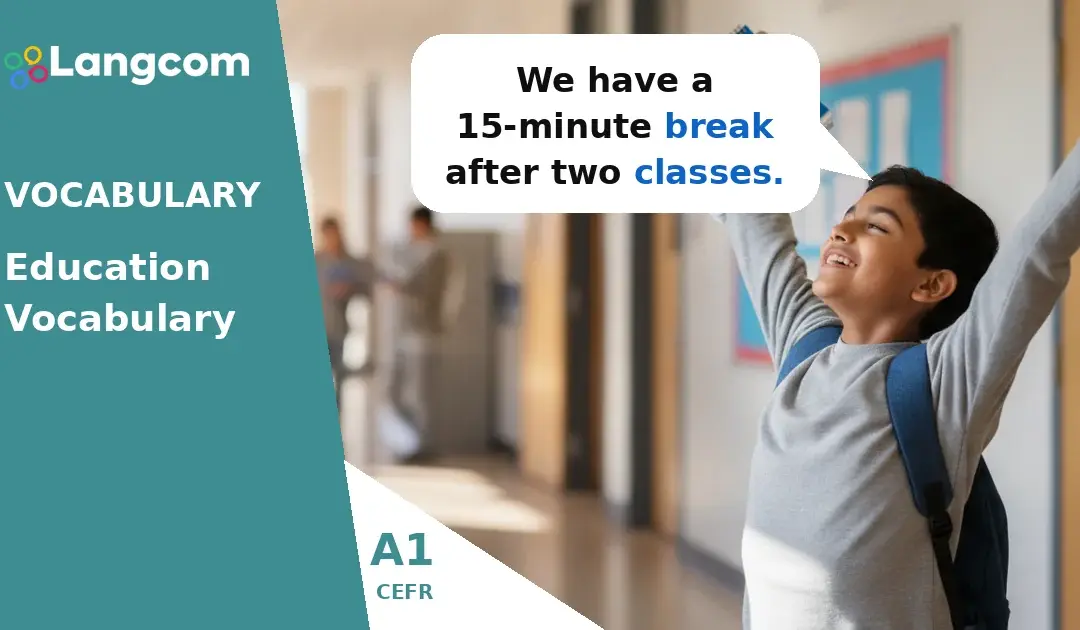
Learning basic English words for school and studying helps you talk about your classes and daily academic life. These words are very important for A1 learners. They help you understand what happens at school or university. For example, you will learn words like exam...

作者 劳尔 | 2026年7月18日 | A1 英语入门
The Present Simple describes actions that happen regularly, habits, or general facts. It helps us talk about daily routines, things we do often, and universal truths. For positive sentences, we use the base form of the verb for I, you, we, they. For he, she, it, we...
作者 劳尔 | 2026年7月18日 | A1 英语入门
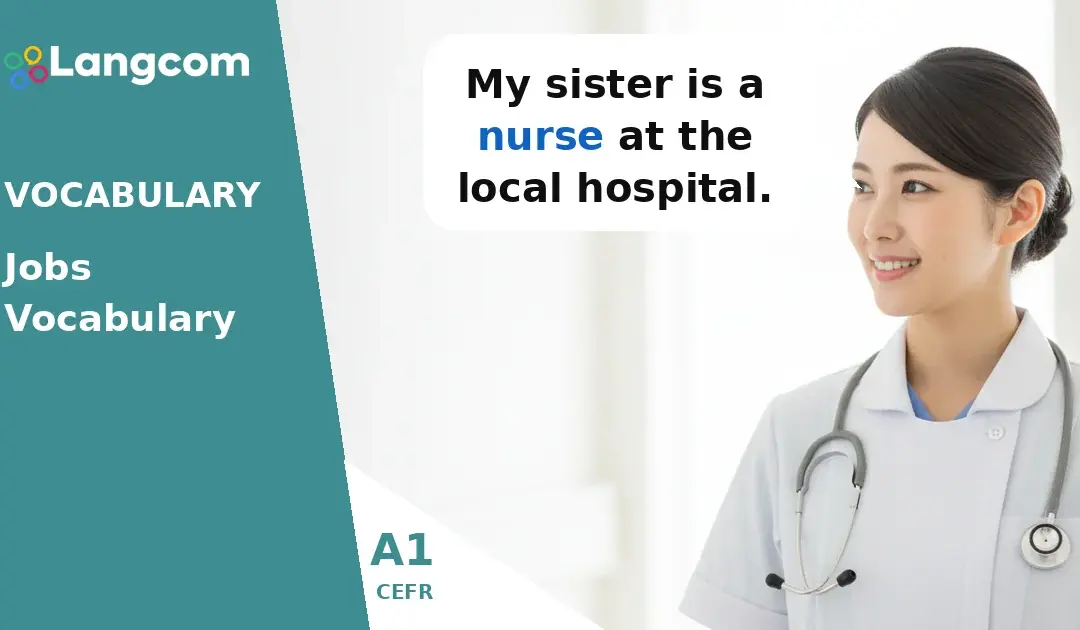
Learning English words for jobs helps you talk about what people do every day and understand others when they speak about their work. In this lesson, you will learn eight common job names like doctor, nurse, chef, cook, vet, farmer, zoo keeper, and carer. Knowing...

作者 劳尔 | 2026年7月18日 | A1 英语入门
To tell the time in English clearly, focus on pronouncing numbers and key words like o’clock, past, and to. For exact hours, say It’s [number] o’clock. For example, It’s five o’clock. Remember to pronounce the ‘o’ in...
作者 劳尔 | 2026年7月18日 | A2 基础英语
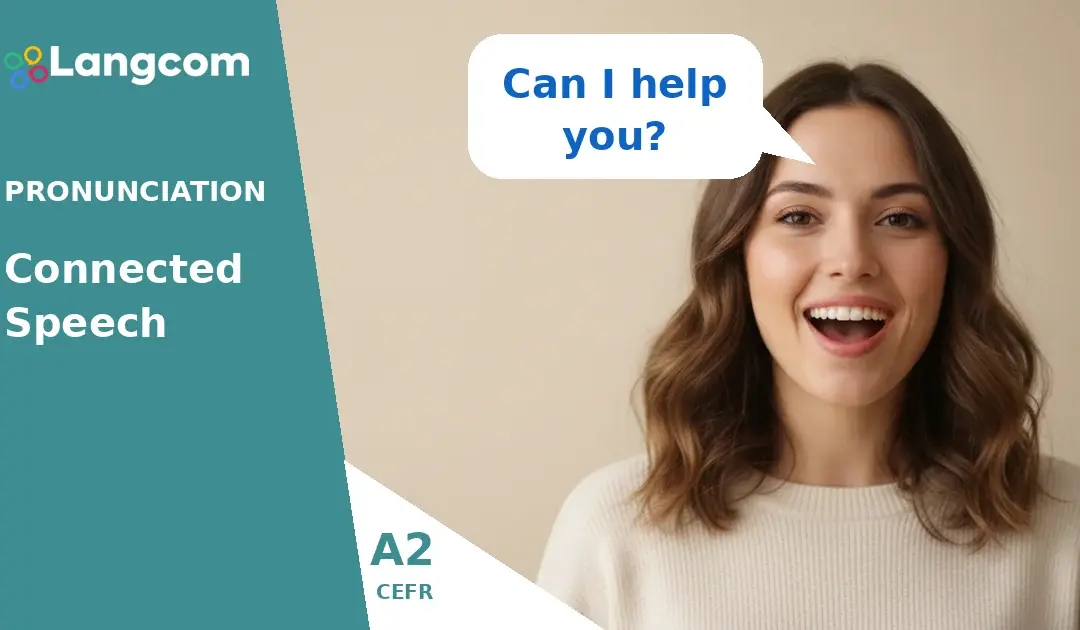
When an English word ends with a consonant sound and the next word starts with a vowel sound, we often connect them without a pause. This makes English sound much smoother and faster, like one long word instead of many separate ones. For example, “an apple” often...
作者 劳尔 | 2026年7月18日 | A2 基础英语
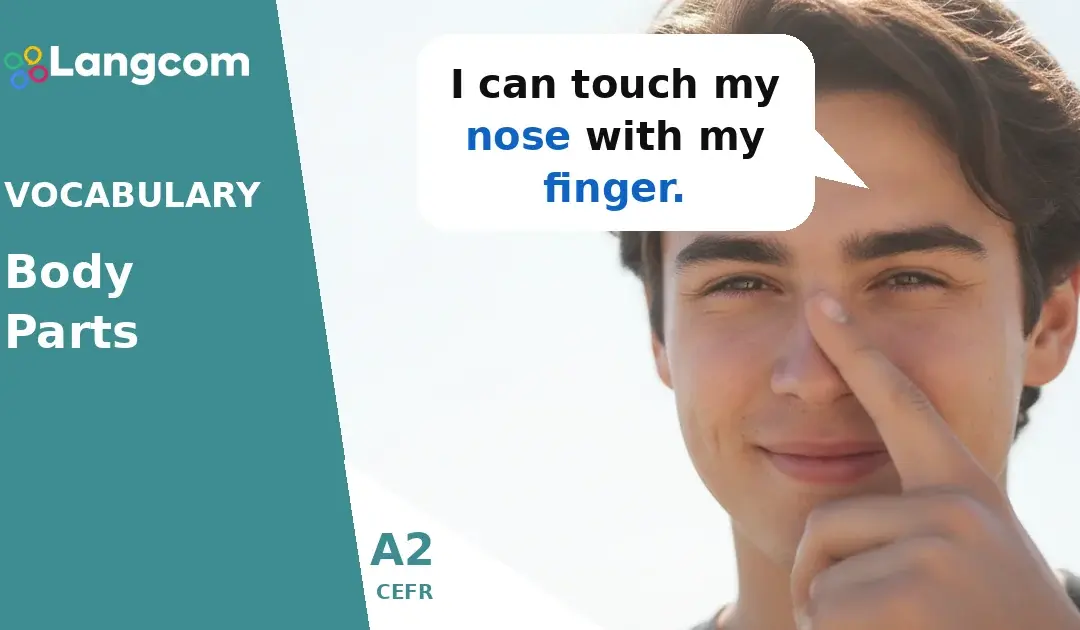
Learning the names of body parts in English is very important for everyday communication. You use these words to describe people, talk about health, and understand directions. For example, you might say I have a headache or She has long hair. Knowing words like head,...
