作者 劳尔 | 7 月 19, 2026 | A1 英语入门
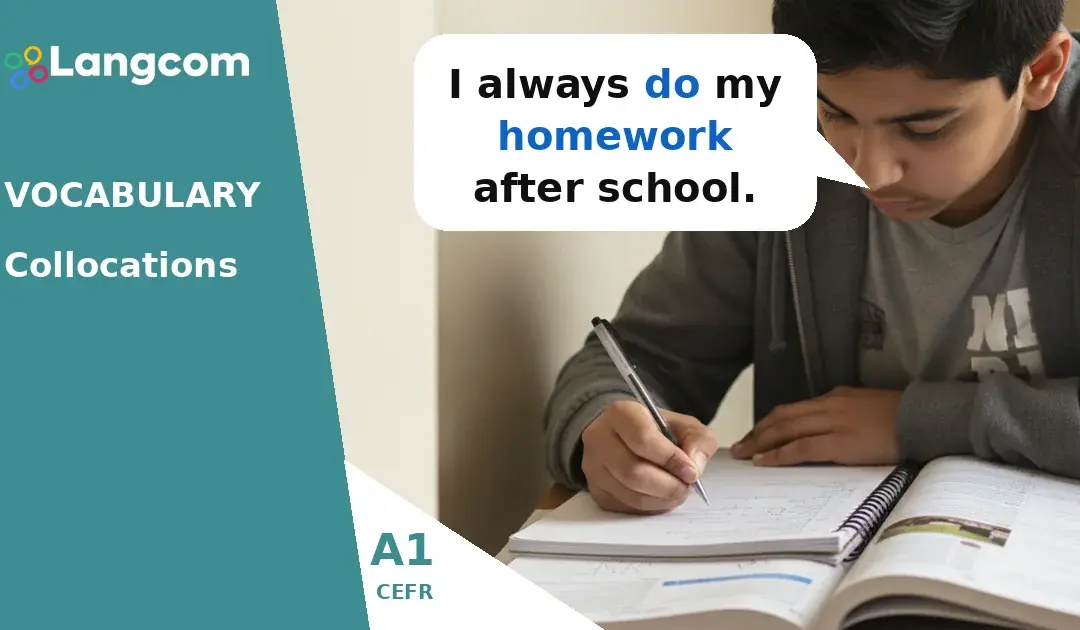
Collocations are words that naturally go together in English. Learning collocations helps your English sound more natural and fluent, just like a native speaker. Instead of saying words separately, collocations are like ready-made phrases. For example, we say do...

作者 劳尔 | 7 月 19, 2026 | A1 英语入门
We use be going to questions to ask about future plans and intentions. This is how we ask about things we have already decided to do. For example, if you want to know a friend’s plans for the weekend, you can ask, What are you going to do this weekend? This...
作者 劳尔 | 7 月 19, 2026 | A1 英语入门
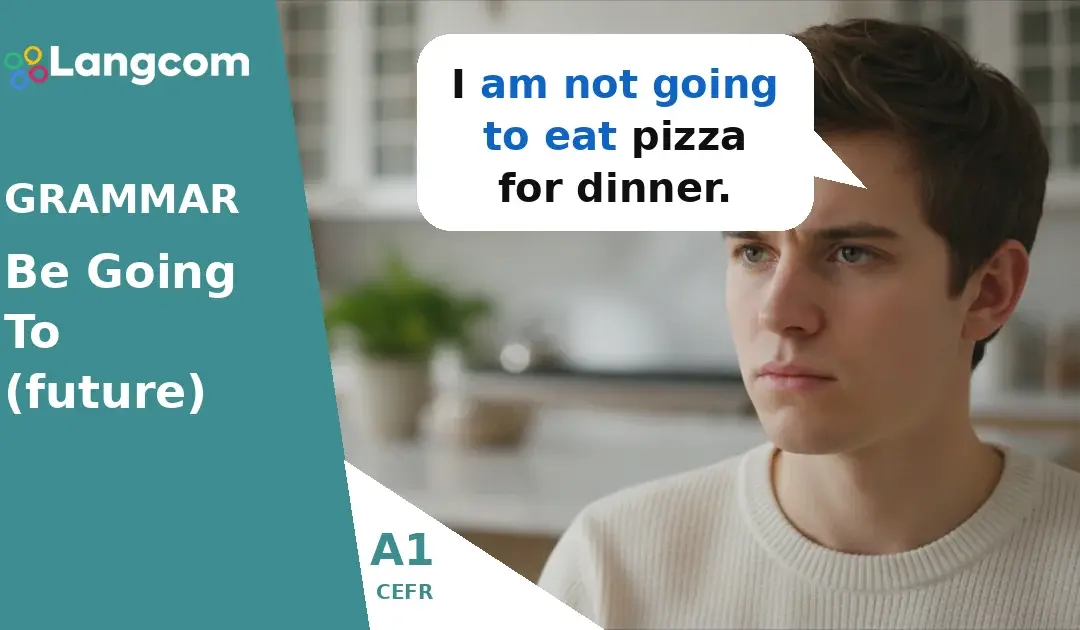
To make a negative sentence with be going to, you put not after the verb be. This structure helps you talk about future plans or predictions that will not happen. For example, I am not going to travel next year means you have no plan to travel. The full form is...
作者 劳尔 | 7 月 19, 2026 | A1 英语入门
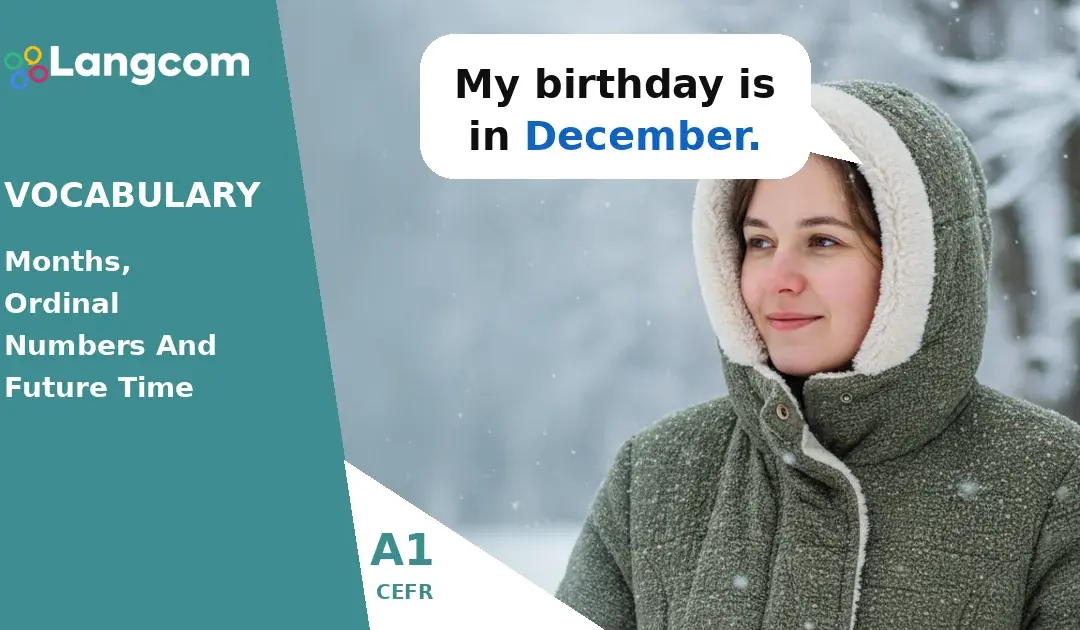
To talk about when things happen in English, you need to know the months of the year, how to use ordinal numbers for dates, and common expressions for the future. These words and phrases help you make plans and understand schedules. For example, you can say My...

作者 劳尔 | 7 月 19, 2026 | A1 英语入门
We use be going to to talk about future plans and predictions. This grammar structure helps you express what you intend to do or what you think will happen very soon. It’s for things you have already decided or for things you see happening based on present...
作者 劳尔 | 7 月 19, 2026 | A1 英语入门
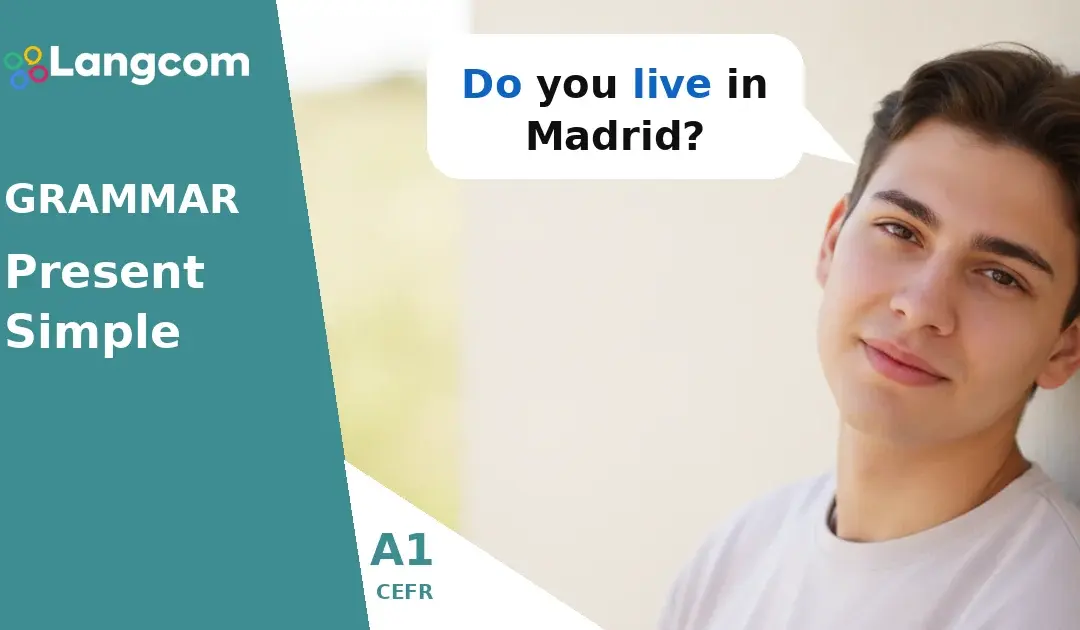
To ask questions in the present simple, we use the helping verbs do or does at the beginning of the sentence. We use do for subjects like I, you, we, and they. For subjects like he, she, and it, we use does. After do or does and the subject, the main verb always stays...
