投稿者 ラウル | 7月 17, 2026 | A2 基礎英語
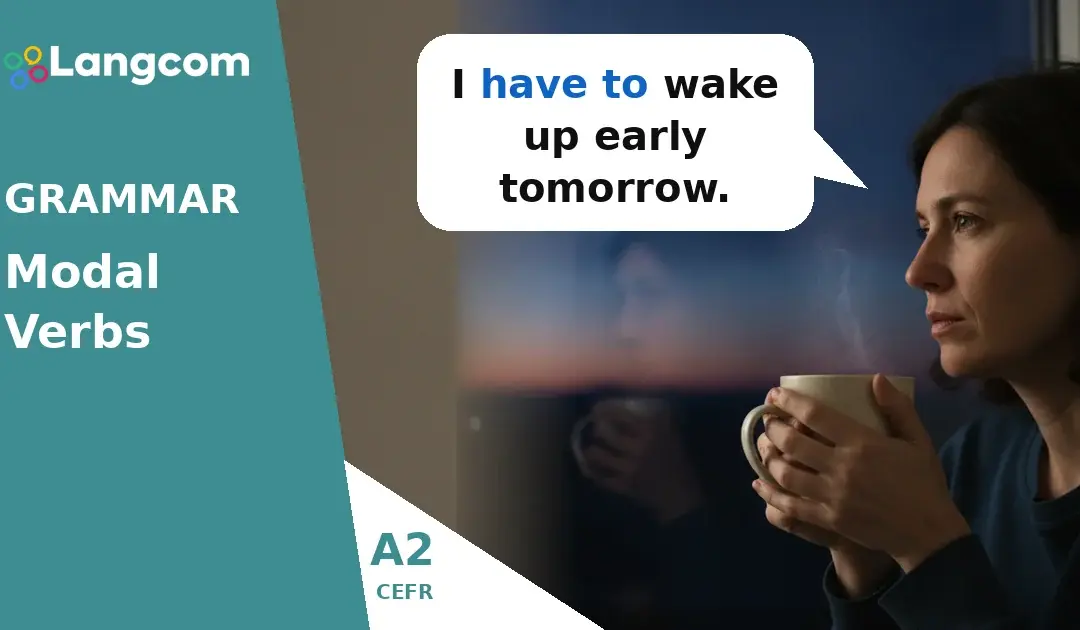
Have to shows that something is necessary or an obligation, often because of a rule or situation. For example, I have to work today means working is necessary for me. It is similar to must, but have to often refers to external rules or duties. On the other hand,...
投稿者 ラウル | 7月 17, 2026 | A2 基礎英語
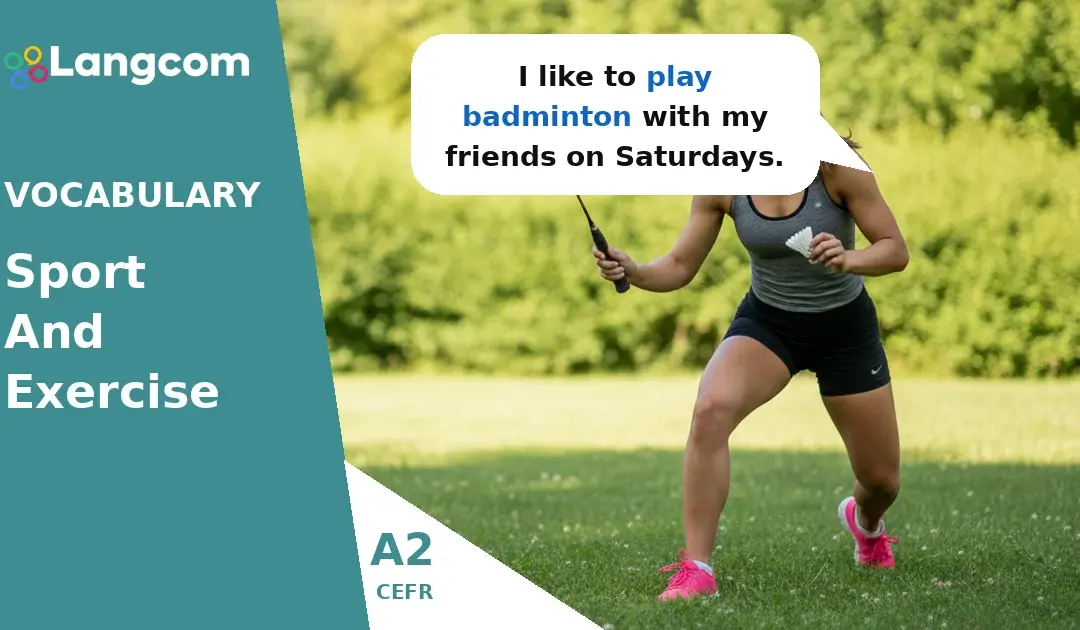
To talk about sports and exercise in English, we use specific verbs like play, do, and go. These verbs combine with different activities. We use play for team sports or games with a ball, like play badminton or play football. For individual exercises, martial arts, or...
投稿者 ラウル | 7月 17, 2026 | A2 基礎英語
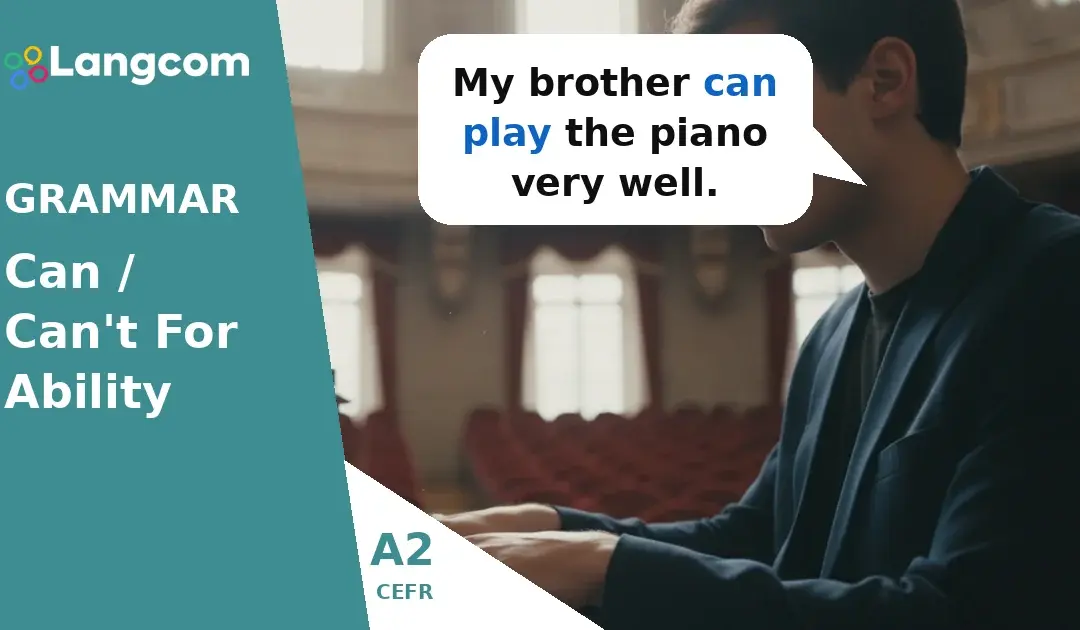
We use can and can’t to talk about abilities in the present. Can means you know how to do something or you are able to do it. Can’t (or cannot) means you do not know how to do something or you are not able to do it. These are modal verbs, so they do not...
投稿者 ラウル | 7月 17, 2026 | A1 英語(初級)
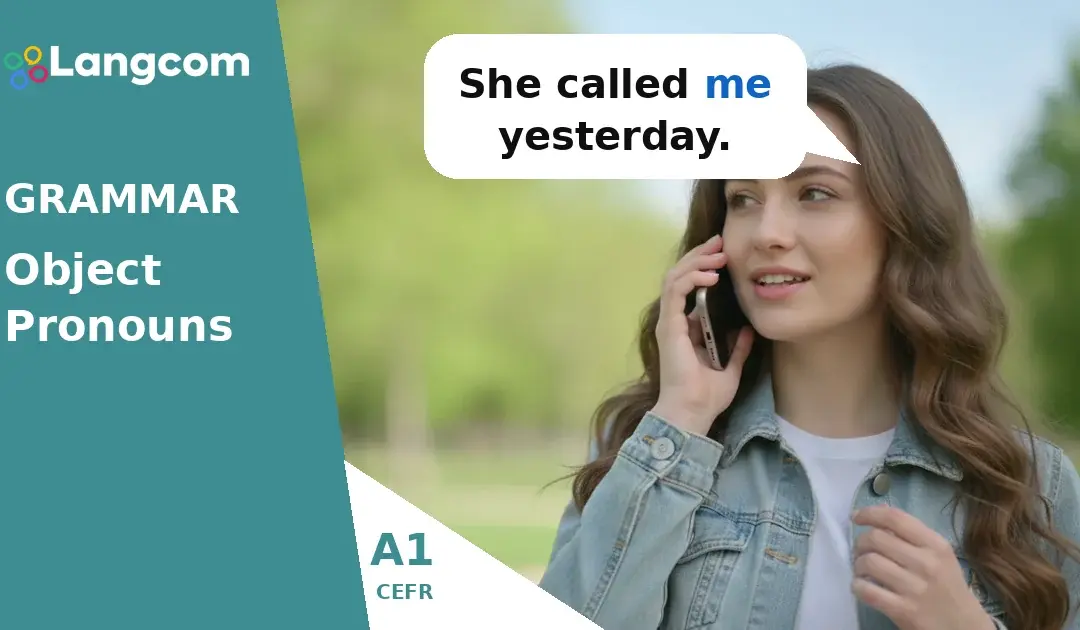
Object pronouns are small words like me, you, him, her, it, us, and them. We use them to replace nouns that receive the action of a verb or come after a preposition. For example, instead of saying I see John, you can say I see him. The pronoun him is the object. They...
投稿者 ラウル | 7月 17, 2026 | A1 英語(初級)
Life events are important moments and changes that happen in a person’s life, from the very beginning to the end. Learning this vocabulary helps you describe your own life story and understand others. For A1 English learners, knowing these basic terms is...
投稿者 ラウル | 7月 17, 2026 | A1 英語(初級)
To ask a question with the verb be in English, you simply change the word order: put be before the subject. For example, instead of You are happy., you say Are you happy? This simple inversion is key for all be questions. When answering these questions, use short...
