by Raúl | Jul 18, 2026 | A2 Basic English
When an English word ends with a consonant sound and the next word starts with a vowel sound, we often connect them without a pause. This makes English sound much smoother and faster, like one long word instead of many separate ones. For example, “an apple” often...
by Raúl | Jul 18, 2026 | A2 Basic English
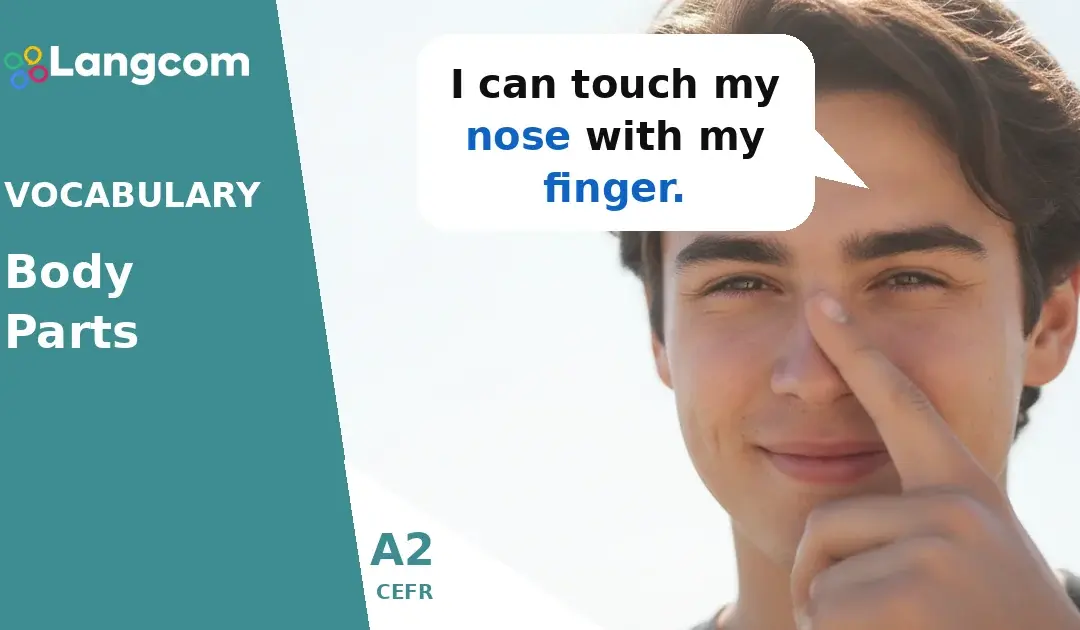
Learning the names of body parts in English is very important for everyday communication. You use these words to describe people, talk about health, and understand directions. For example, you might say I have a headache or She has long hair. Knowing words like head,...
by Raúl | Jul 18, 2026 | A2 Basic English
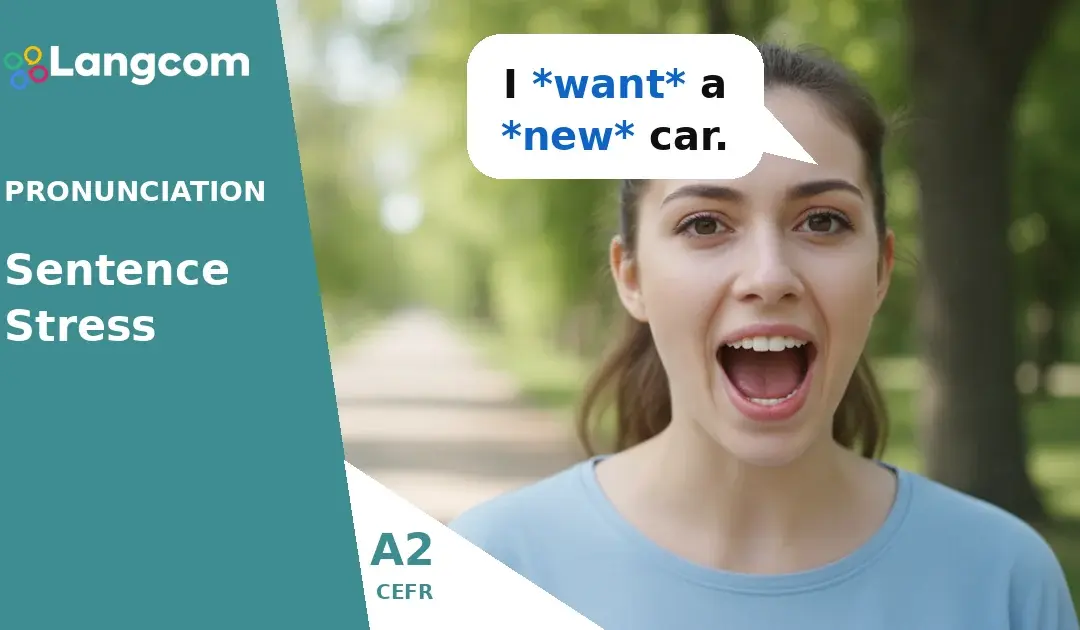
Sentence stress is about saying some words in a sentence more strongly than others. This makes your English sound natural and helps people understand your message clearly. When you stress a word, you say it louder, longer, and with a higher pitch. Not all words are...
by Raúl | Jul 18, 2026 | A1 Beginner English
Consonant clusters are groups of two or more consonant sounds together in a word, like st in stop or nd in hand. These groups of sounds are very common in English and pronouncing them clearly is important for good communication. Unlike some languages, English often...
by Raúl | Jul 18, 2026 | A1 Beginner English
To ask about someone’s ability in English, we use Can at the beginning of the question. This word helps us talk about what people know how to do, like Can you swim? or Can she speak English? The structure is simple: Can + subject + base form of the verb. For...
by Raúl | Jul 18, 2026 | A1 Beginner English
To talk about what you know how to do or what is possible for you, use the word can in English. This simple word helps you express your skills and talents. For example, if you know how to prepare food, you can say I can cook. If you don’t have a particular...
