par Raúl | Juil 22, 2026 | Anglais pour enfants : niveau pré-A1 (débutants)
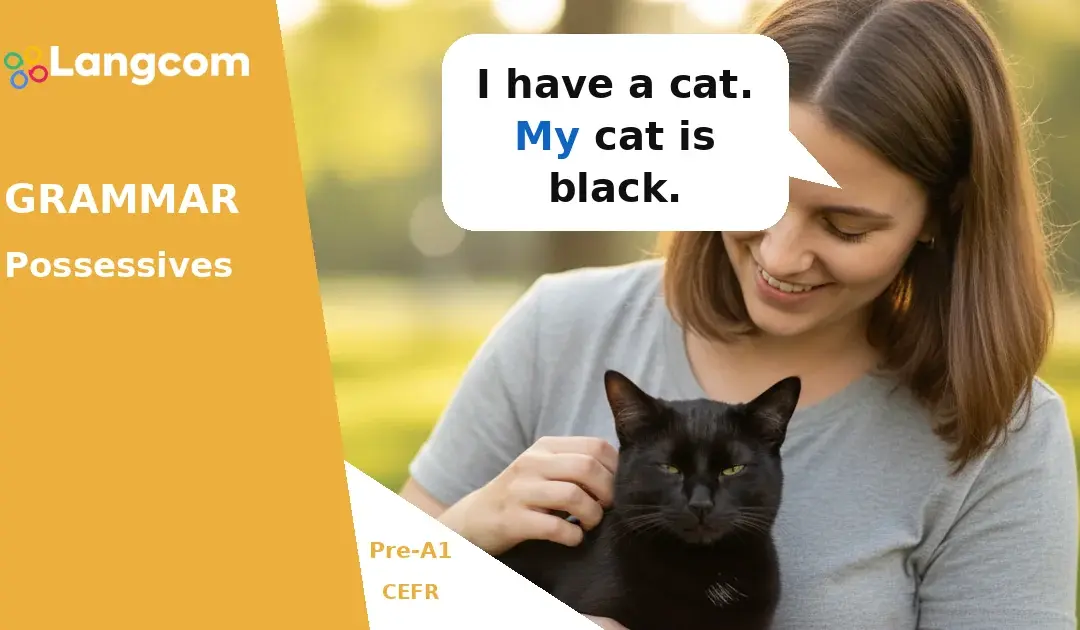
Possessive adjectives tell us who owns something or to whom something belongs. They are words like my, your, his, her, its, our, and their. In English, these words always come before the noun they describe. For example, you say my book, not book my. They help make...
par Raúl | Juil 21, 2026 | Anglais pour enfants : niveau pré-A1 (débutants)
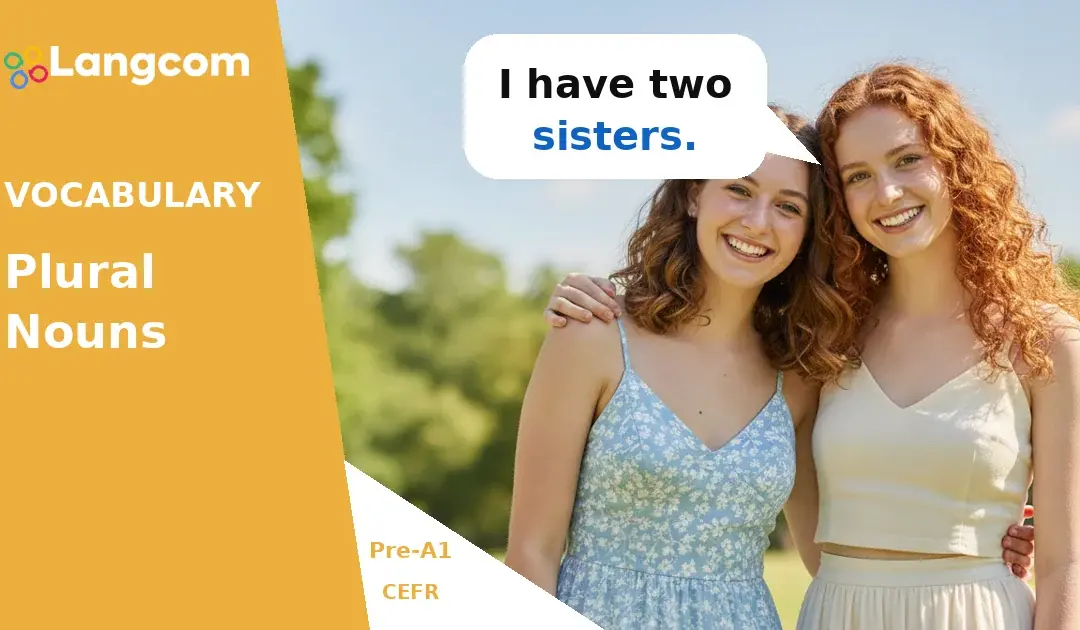
In English, we change singular nouns to plural nouns to talk about more than one thing. Most nouns become plural by simply adding -s at the end. For example, one cat becomes two cats. However, some nouns have special rules. If a noun ends in -s, -ss, -sh, -ch, -x, or...
par Raúl | Juil 21, 2026 | Anglais pour enfants : niveau pré-A1 (débutants)
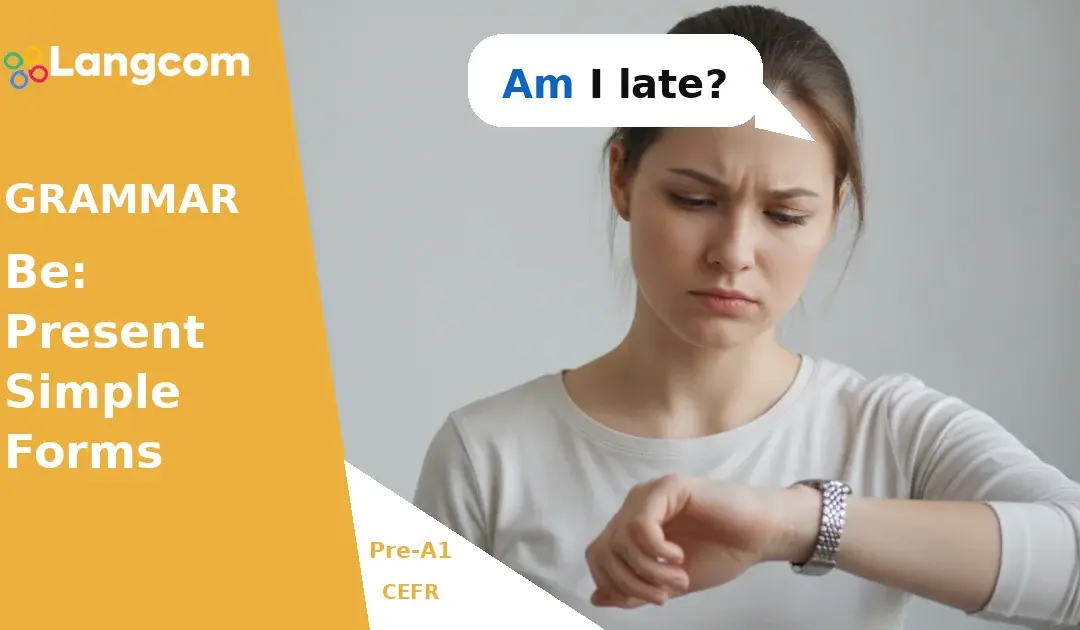
To ask a question with the verb to be in English, you simply change the word order. Instead of the statement order Subject + Be (like You are happy), you put Be + Subject (like Are you happy?). This simple rule works for all forms of to be: am, is, and are. For...
par Raúl | Juil 20, 2026 | Anglais pour enfants : niveau pré-A1 (débutants)
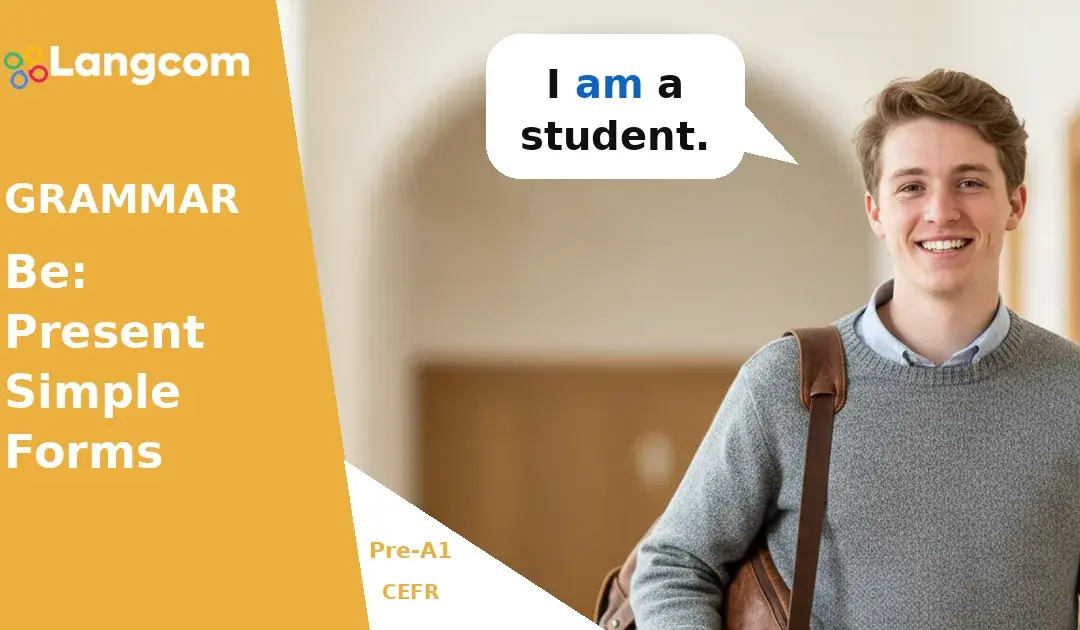
The verb be is one of the most important verbs in English. It helps us talk about who someone is, what something is, where people or things are, and how they feel or look. In English, be has three main forms in the present simple: am, is, and are. We use am with I, is...
par Raúl | Juil 20, 2026 | A0 Starter English for Kids
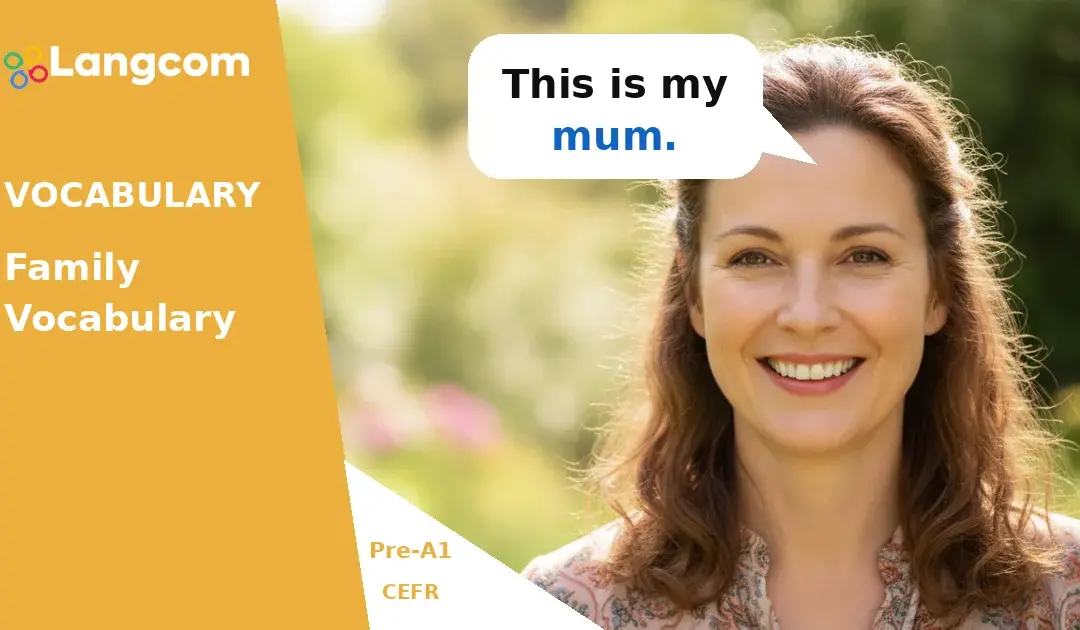
Learning basic family words in English helps you talk about your loved ones and understand others. These simple words are a key part of everyday conversations for Pre-A1 learners. We focus on the most common family members: mum (mother), dad (father), brother, and...
par Raúl | Juil 20, 2026 | A0 Starter English for Kids
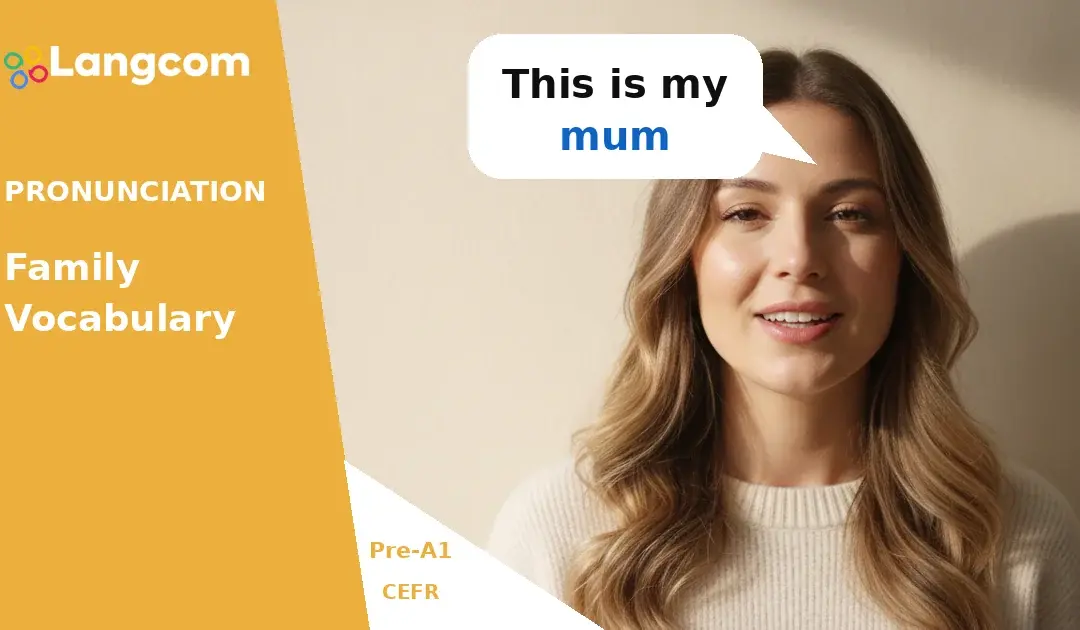
Pronouncing English family words correctly helps you speak clearly and be understood easily. When you learn new words, it is important to also learn how to say them. This makes your English sound natural and confident. For Pre-A1 learners, focusing on clear...
