por Raúl | jul 18, 2026 | Inglês para crianças – Nível Pré-A1 (Iniciante)
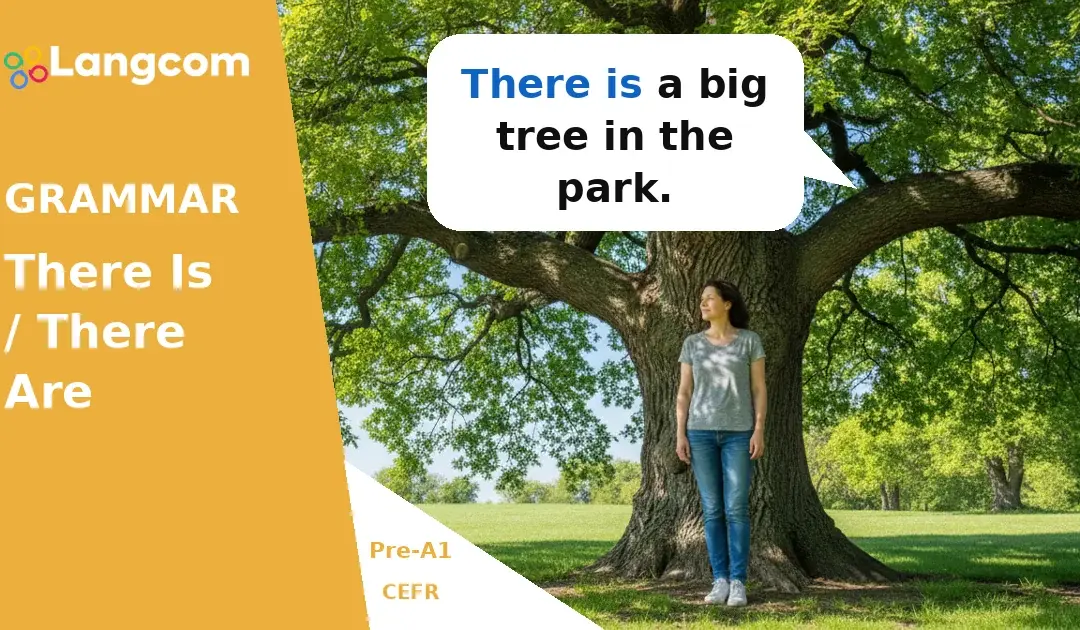
To describe what exists in a place, use There is for one thing (singular) and There are for many things (plural). This grammar point helps you talk about objects, people, or places around you. For example, if you see one book, you say There is a book on the table. If...
por Raúl | jul 18, 2026 | Inglês para crianças – Nível Pré-A1 (Iniciante)
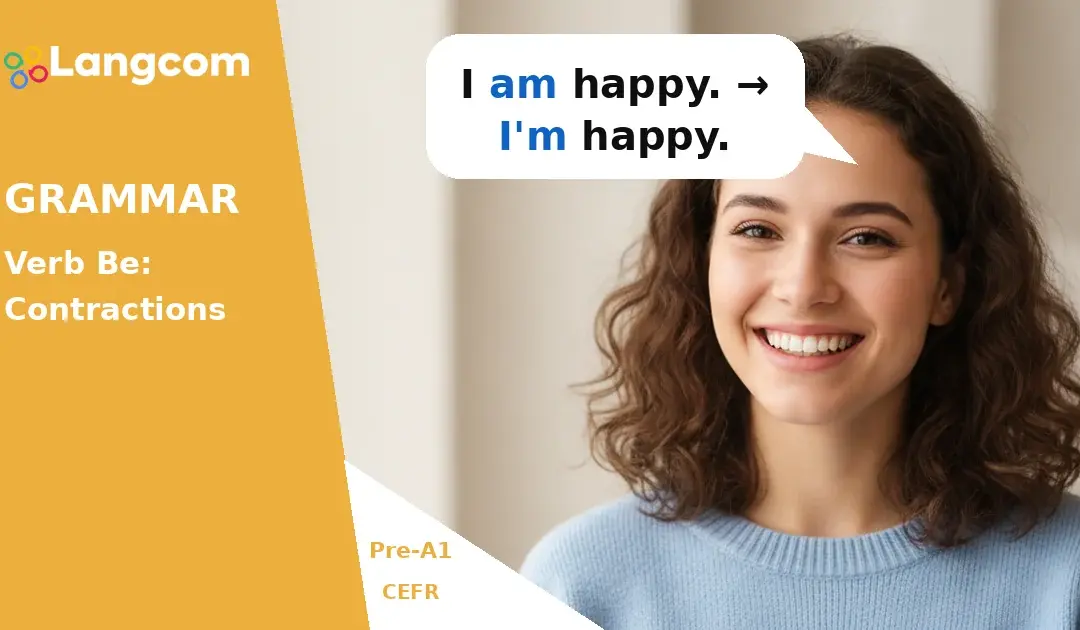
English contractions for the verb to be are short forms that combine a pronoun (like I or you) and a form of to be (like am, is, or are). We use an apostrophe (‘) to show that letters are missing. For example, I am becomes I’m, and he is becomes...
por Raúl | jul 18, 2026 | Inglês para crianças – Nível Pré-A1 (Iniciante)
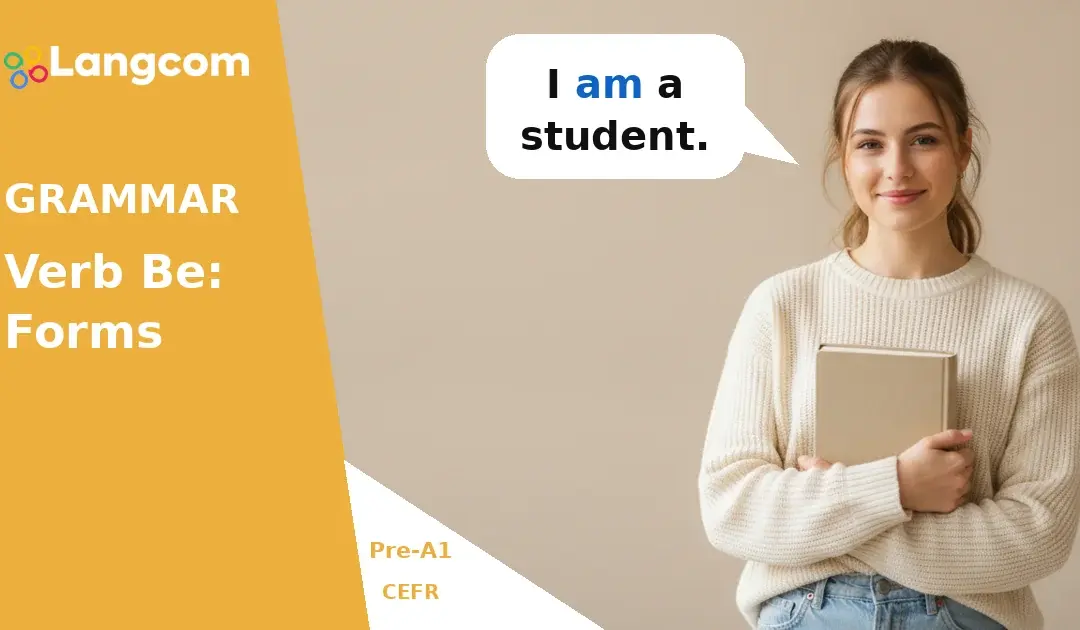
The English verb to be is one of the most important verbs you will learn. It means “ser” or “estar” in Spanish and has three main forms in the present simple: am, is, and are. You use to be to talk about who someone is, how old they are, how...
por Raúl | jul 17, 2026 | Inglês para crianças – Nível Pré-A1 (Iniciante)
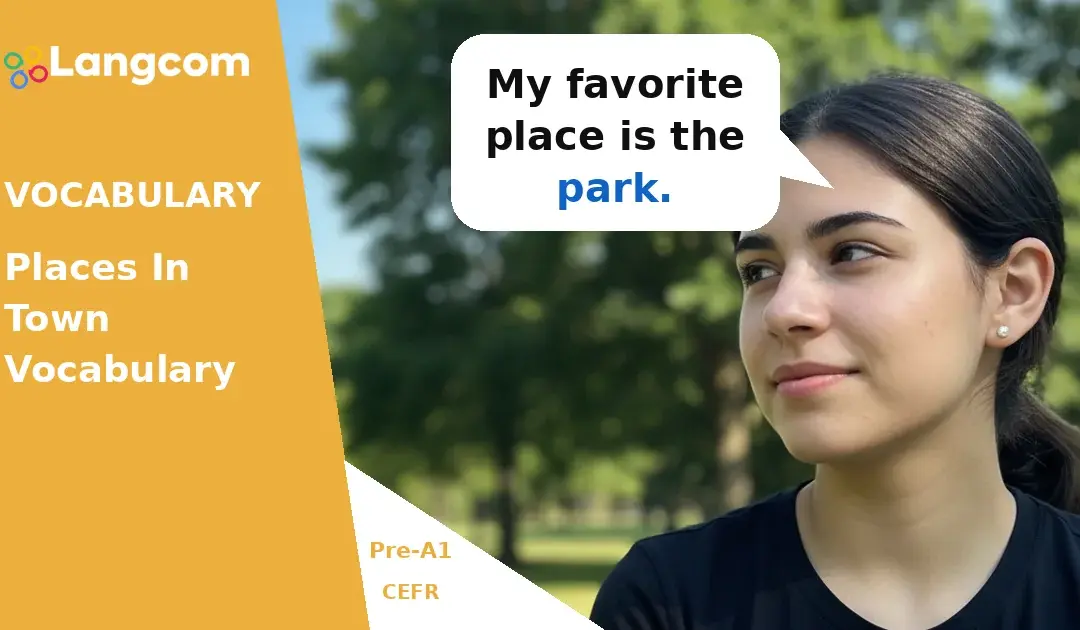
Learning words for places in town helps you talk about where you live and what you do every day. These are important words for Pre-A1 English learners. Imagine you want to tell a friend where you are going, or ask for directions. You need to know words like park,...
por Raúl | jul 17, 2026 | Inglês para crianças – Nível Pré-A1 (Iniciante)
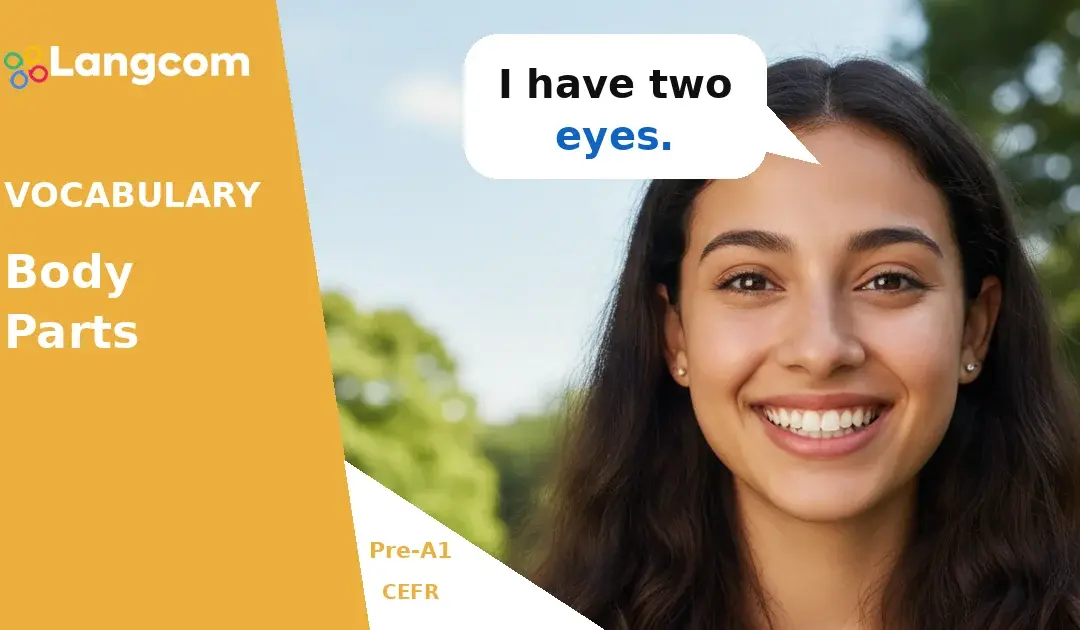
Learning the names of body parts in English is very useful for everyday communication. You can talk about yourself, describe people, or explain if you feel pain. Knowing words like head, hand, foot, eye, and mouth helps you understand and speak basic English. This...
por Raúl | jul 17, 2026 | Inglês para crianças – Nível Pré-A1 (Iniciante)
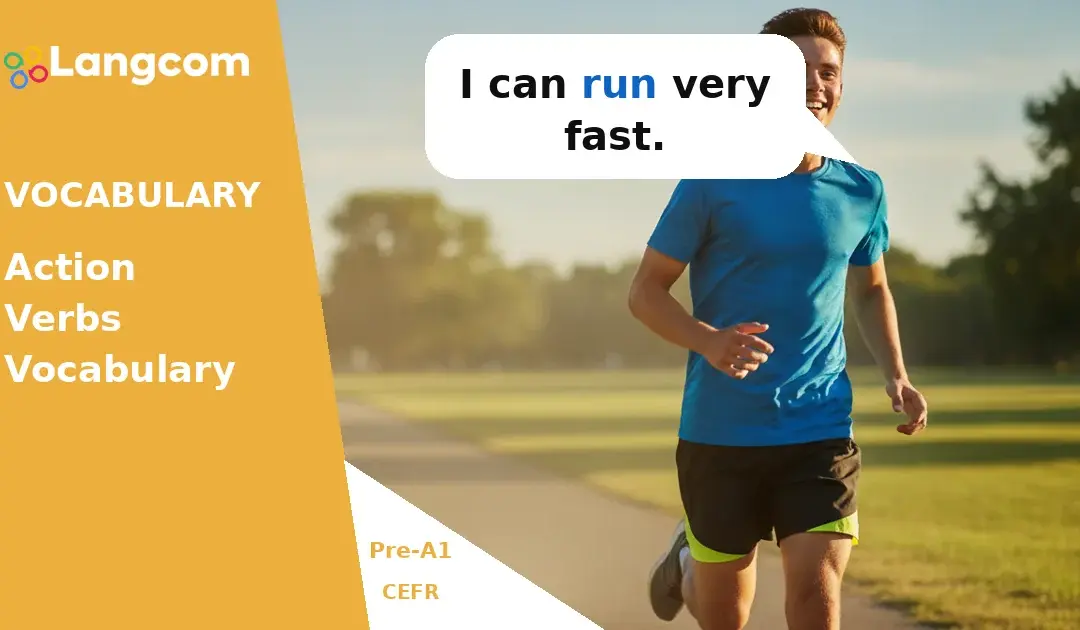
Action verbs tell us what someone or something does. These words show movement or activity. Learning action verbs helps you talk about daily activities and describe the world around you. For example, run, jump, and swim are all action verbs. They are very important...
