por Raúl | jul 13, 2026 | Inglês básico A2
There is and There are are essential English phrases we use to say that something exists or is present in a place. Think of them like the Spanish ‘hay’. We use There is for one thing (singular nouns) or for things we cannot count (uncountable nouns). For...
por Raúl | jul 13, 2026 | A1 Inglês para Iniciantes
Colours are words we use to describe how things look. They help us talk about the world around us, from clothes to food to nature. Learning basic English colours is a very important first step for A1 learners. It allows you to describe objects, express preferences,...
por Raúl | jul 13, 2026 | A1 Inglês para Iniciantes
Learning basic English clothes vocabulary is essential for A1 learners to describe what people wear and to shop for clothes. Knowing words for common items like a T-shirt, trousers, and shoes helps you communicate in many daily situations. This vocabulary allows you...
por Raúl | jul 13, 2026 | A1 Inglês para Iniciantes
Learning to pronounce common English objects correctly helps you speak clearly and be understood. English sounds can be different from Spanish, so focusing on specific sounds is important for A1 learners. For example, the short ‘a’ in bag is more open than...
por Raúl | jul 13, 2026 | A1 Inglês para Iniciantes
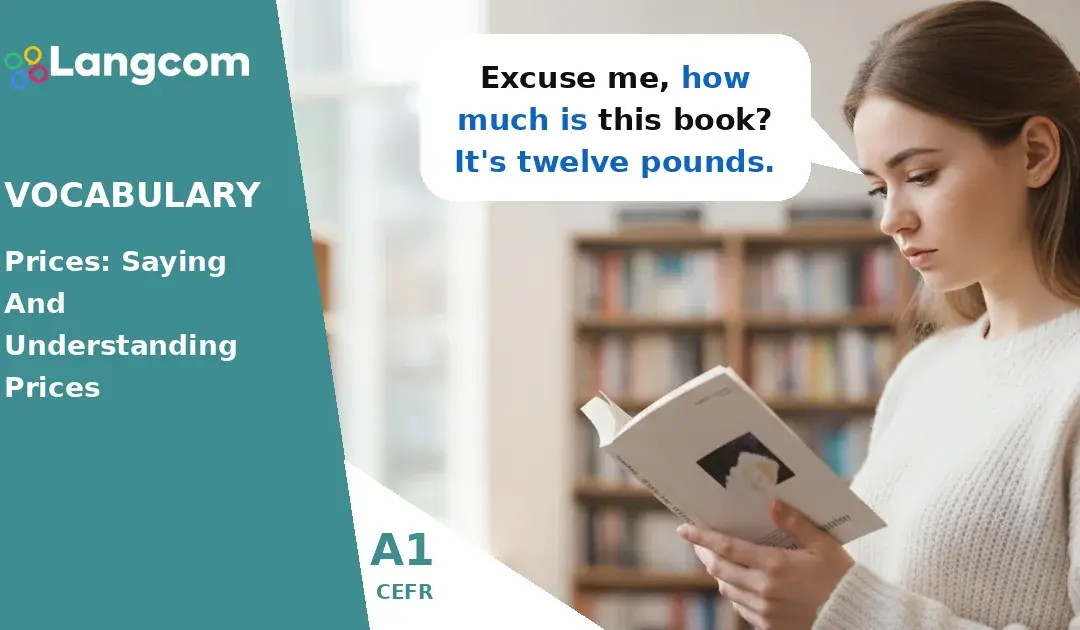
To ask about prices in English, use How much is it? for one item or How much are they? for many items. To say a price, state the main number, then the currency, and then the smaller number (like cents or pence). For example, £5.99 is five pounds ninety-nine. It is...
por Raúl | jul 12, 2026 | A1 Inglês para Iniciantes
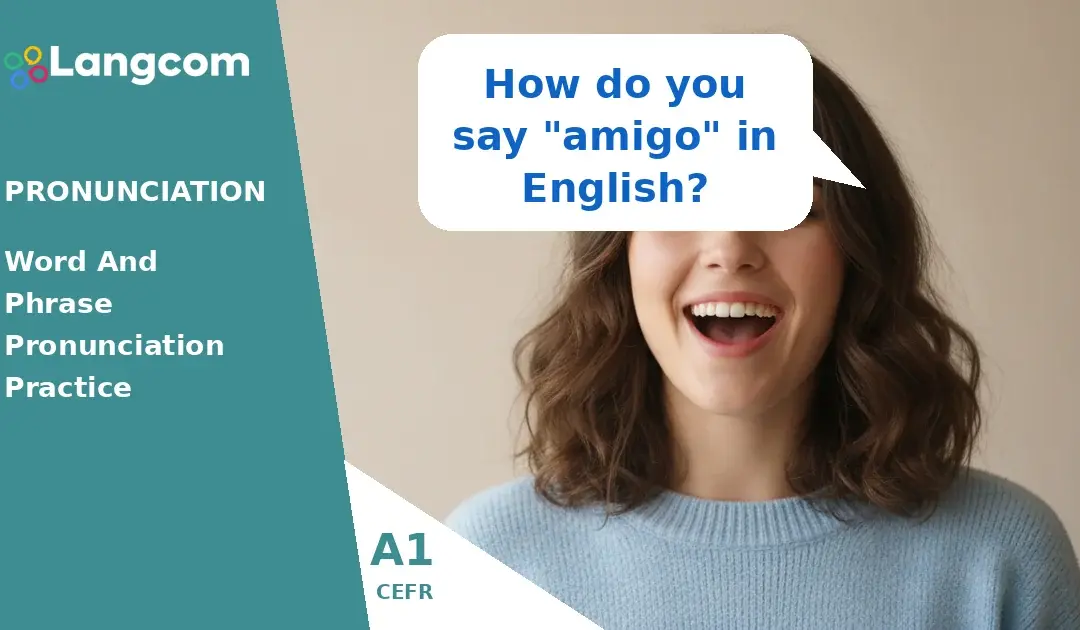
The phrase How do you say…? is essential for A1 English learners. It helps you ask for the English word for something you know in your own language. For example, if you know the Spanish word casa but not the English word, you can ask, How do you say casa in...
