投稿者 ラウル | 2026年7月14日 | A2 基礎英語
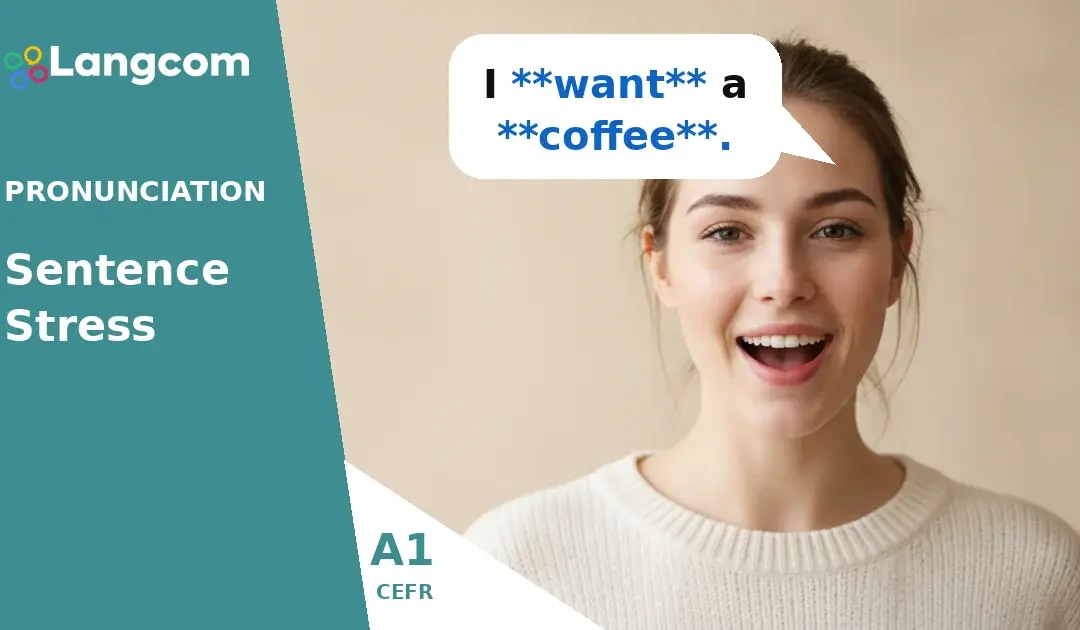
Sentence stress helps you speak English clearly and naturally. In English, not all words in a sentence are equally important. Some words are ‘strong’ – we say them louder, longer, and with a higher pitch. These are usually words that carry the main...
投稿者 ラウル | 2026年7月14日 | A1 英語(初級)
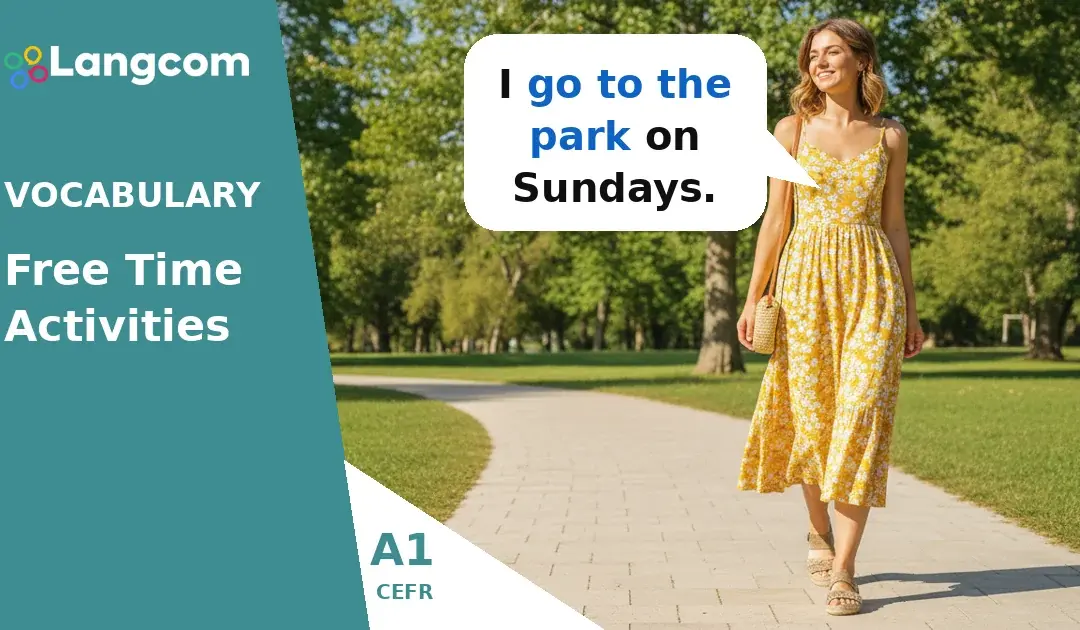
To talk about what you do for fun in English, you need to learn specific verbs that go with different free time activities. These combinations are called collocations. For example, we say go shopping, not do shopping. Learning these common verb-activity pairs will...
投稿者 ラウル | 2026年7月14日 | A1 英語(初級)
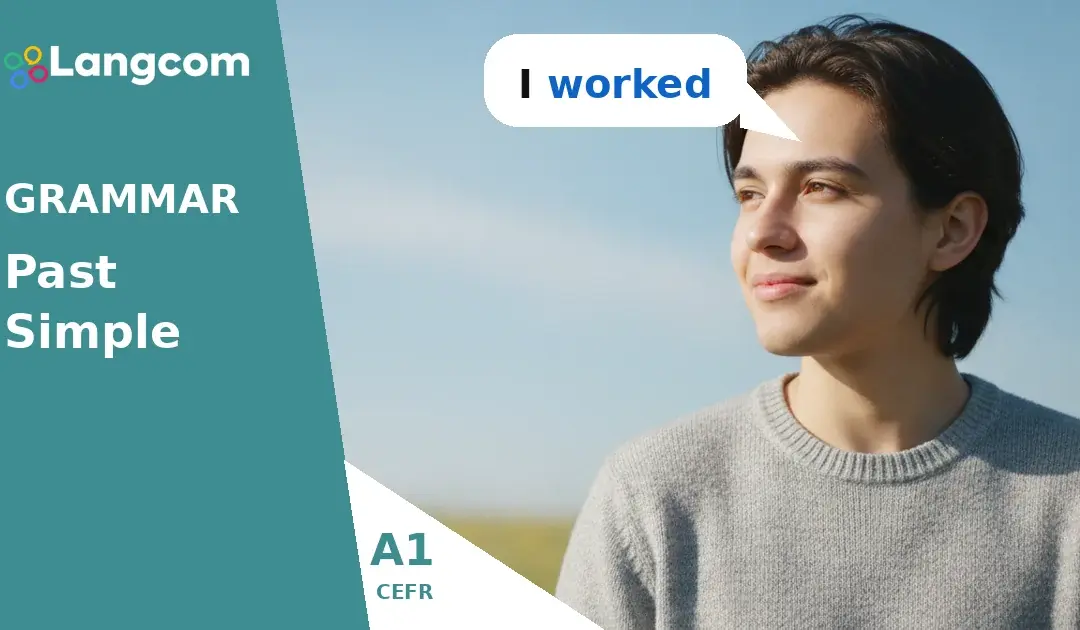
The Past Simple positive form helps you talk about actions or events that started and finished in the past. It describes something that happened at a specific time and is now over. For most verbs, called ‘regular verbs’, you simply add -ed to the end of...
投稿者 ラウル | 2026年7月14日 | A2 基礎英語
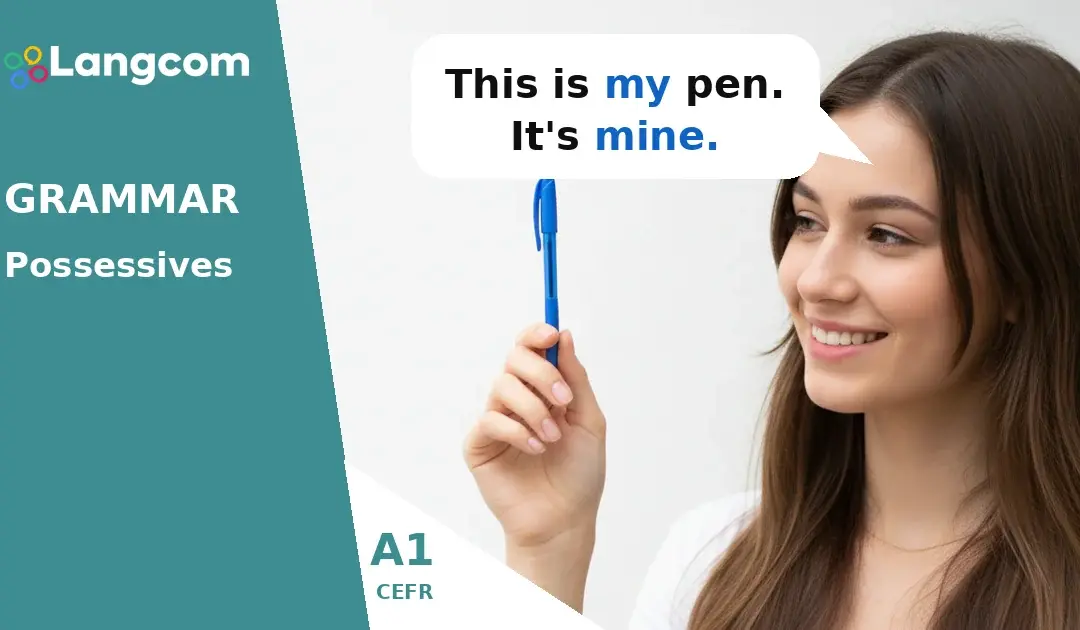
Possessive words in English tell us who owns something or who something belongs to. We use two main ways to show possession: possessive pronouns and the possessive apostrophe ‘s. Possessive pronouns like mine, yours, his, hers, ours, and theirs replace a...
投稿者 ラウル | 2026年7月14日 | A2 基礎英語
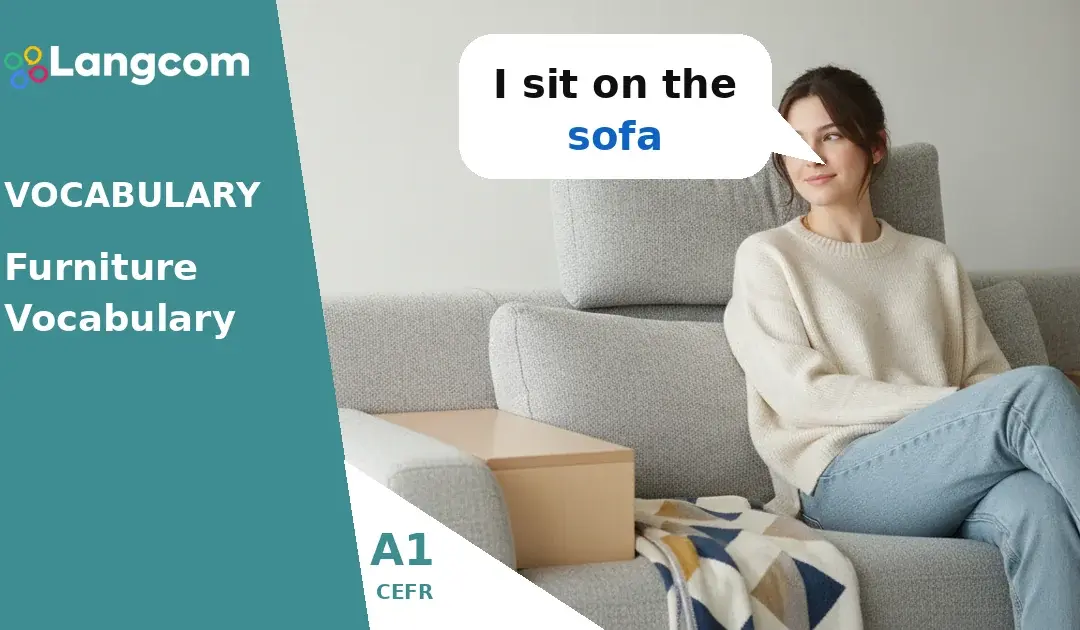
Learning common furniture words in English helps you describe your home and understand conversations about daily life. Furniture includes all the big and small items inside a house that make it comfortable and useful. For example, a bed is for sleeping, a table is for...
投稿者 ラウル | 2026年7月14日 | A1 英語(初級)
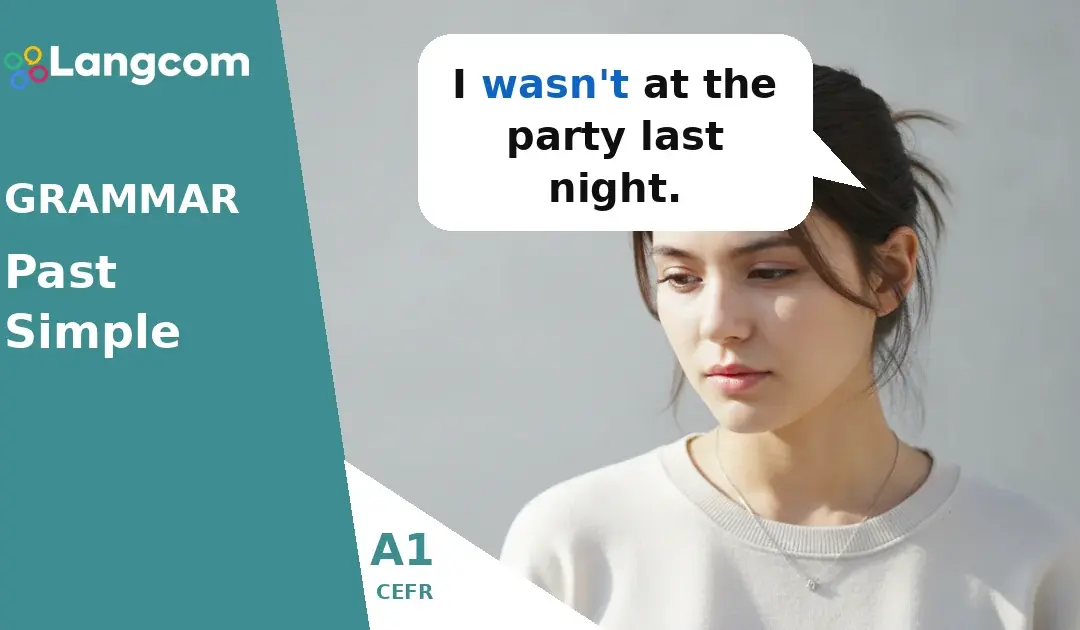
To talk about the past using the verb ‘to be’, we use was for singular subjects (I, he, she, it) and were for plural subjects (you, we, they). To make these negative, we add not, forming wasn’t or weren’t. For questions, we change the word...
