投稿者 ラウル | 2026年7月15日 | A2 基礎英語
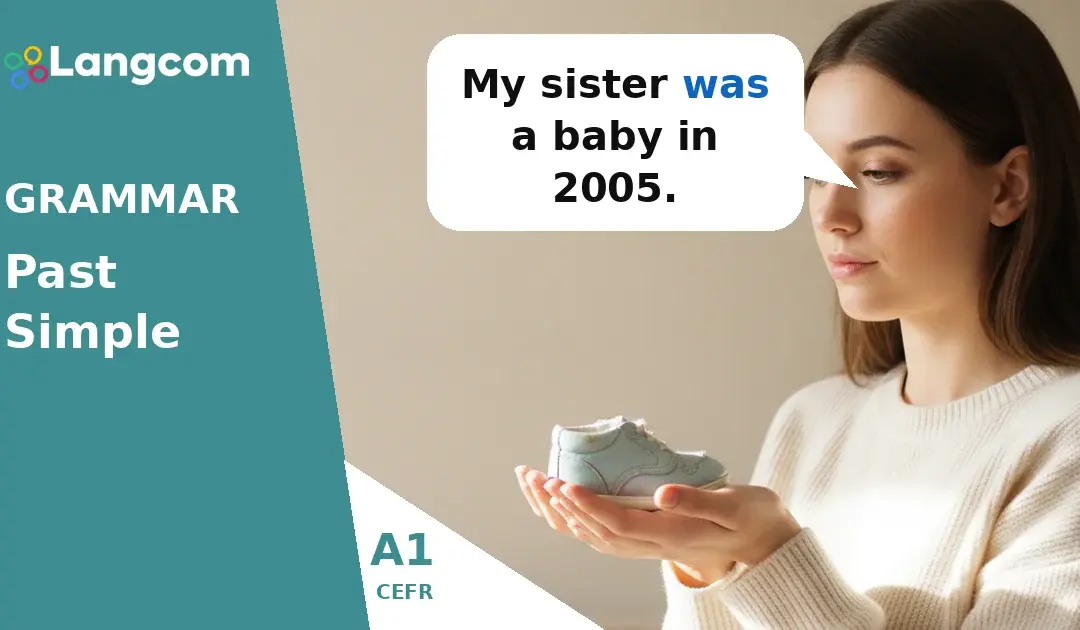
The Past Simple of ‘be’ (was/were) helps us talk about how things were, where people were, or what someone was like in the past. It’s one of the most important verbs in English for A1 learners. We use was for singular subjects like I, he, she, it,...

投稿者 ラウル | 2026年7月15日 | A2 基礎英語
To say years in English, we usually split them into two pairs of numbers, like nineteen eighty-four for 1984. For years from 2000 to 2009, say two thousand and X, for example, two thousand and five. From 2010, you can say twenty X, like twenty twenty-three. For dates,...
投稿者 ラウル | 2026年7月15日 | A2 基礎英語
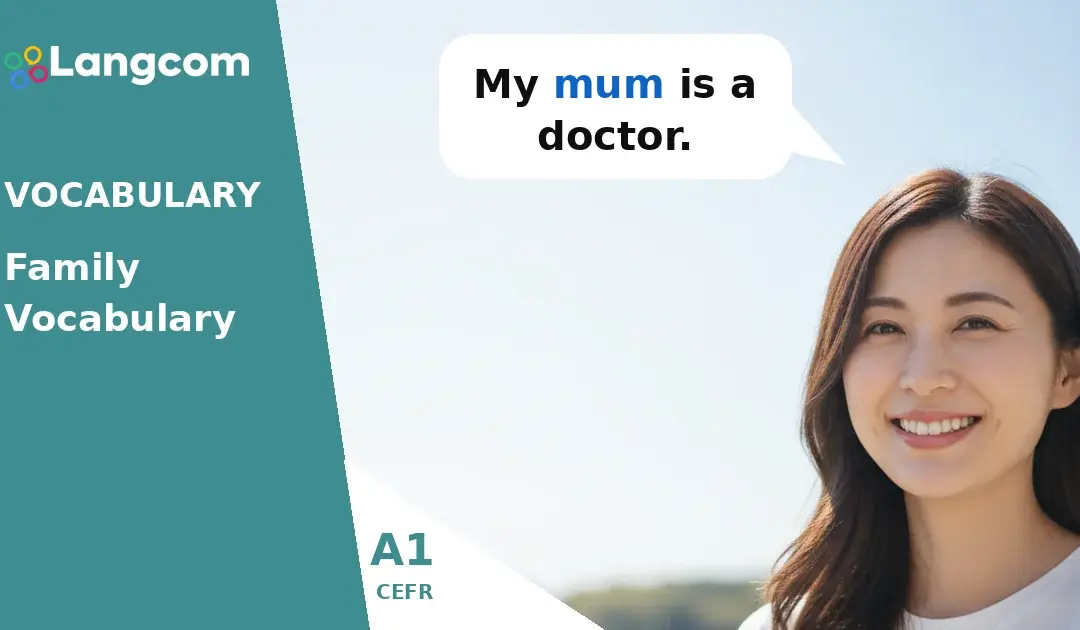
Learning English words for family members helps you talk about the people you love. At A1 level, you will learn basic words like mum, dad, brother, and sister. These words are important for everyday conversations and understanding simple texts. Knowing them allows you...

投稿者 ラウル | 2026年7月15日 | A1 英語(初級)
To ask questions about past events in English, we usually use the auxiliary verb did with the base form of the main verb. This structure helps you ask about actions that finished in the past. For example, if you want to know about someone’s holiday, you might...
投稿者 ラウル | 2026年7月15日 | A1 英語(初級)
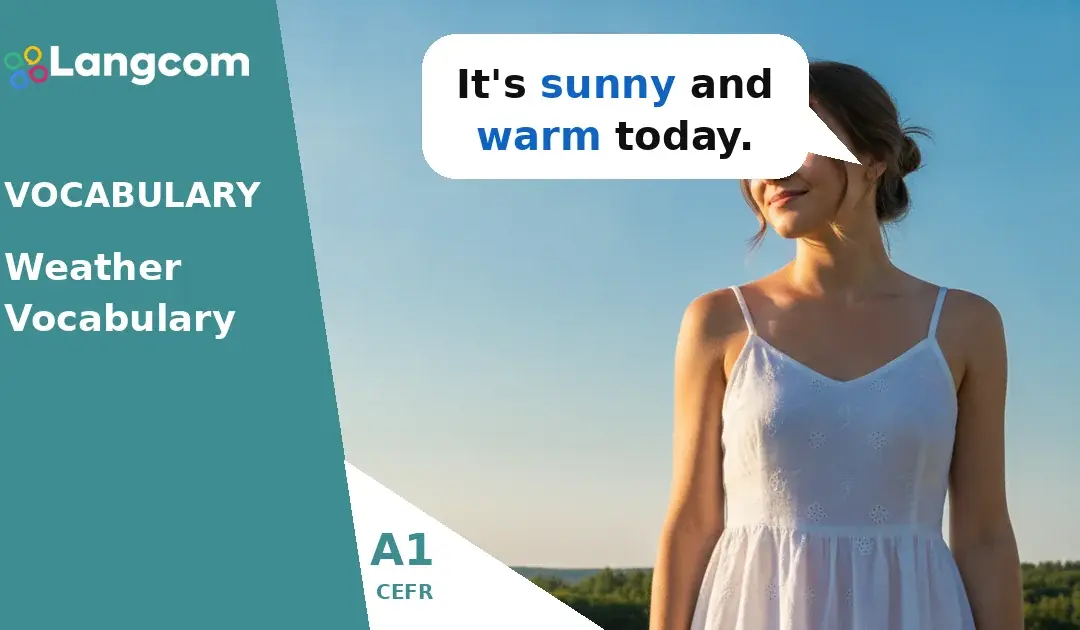
To talk about the weather in English, you often use the verb to be and an adjective. For example, you say It’s sunny or It’s cold. This lesson will help you learn essential words to describe different types of weather, like sunny, rainy, cloudy, hot, and...
投稿者 ラウル | 2026年7月15日 | A1 英語(初級)
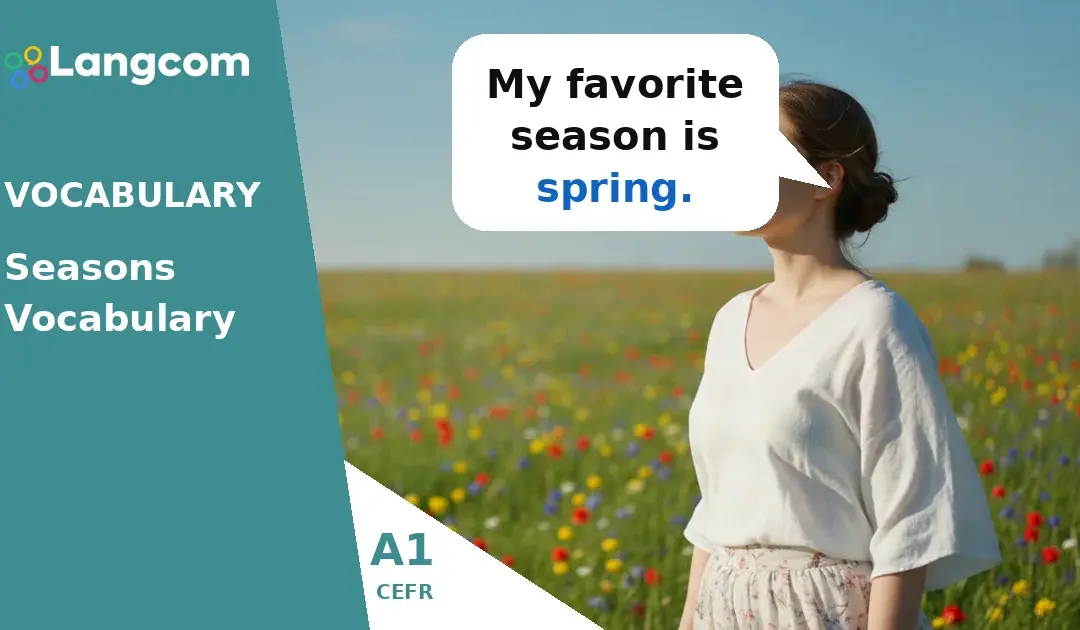
The four main seasons in English are spring, summer, autumn (or fall), and winter. Each season brings different weather and changes in nature. Learning these words helps you talk about the weather, your favorite time of year, and daily activities. For example, you can...
