di Raúl | Lug 16, 2026 | A1 Inglese per principianti
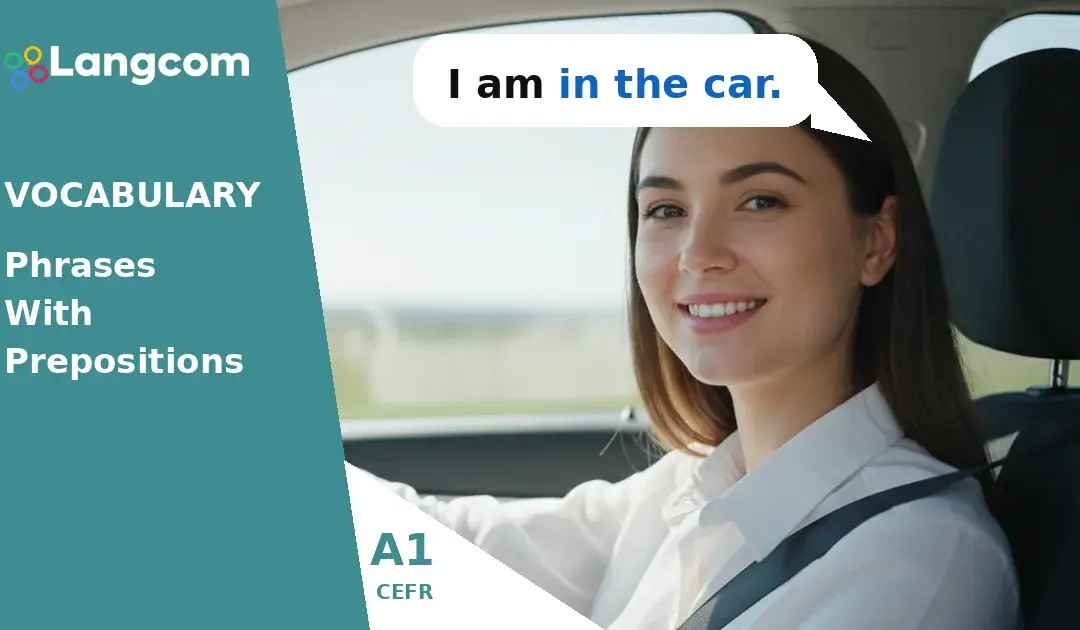
In, on, and at are small but very important words in English that tell us about location. These are called prepositions of place. They can be confusing for Spanish speakers because in Spanish, you often use “en” for many different situations. In English,...
di Raúl | Lug 16, 2026 | A1 Inglese per principianti
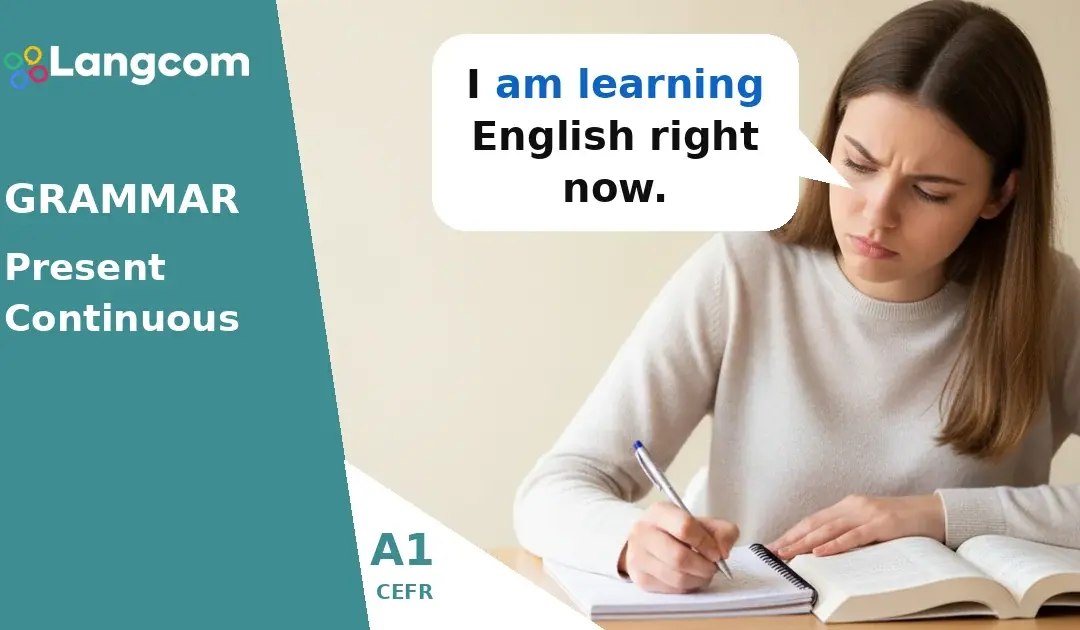
The Present Continuous (positive form) describes actions happening right now, at this exact moment. We use it to talk about things that are in progress, not yet finished. This tense is essential for describing current activities and what people are doing as you speak....

di Raúl | Lug 16, 2026 | A1 Inglese per principianti
Learning the names of rooms and common objects in English helps you describe where you live and understand others. Your home is a very important place, and knowing how to talk about it is a key step for A1 English learners. We will learn words for the main parts of a...

di Raúl | Lug 16, 2026 | A2 Inglese di base
The letter ‘a’ in English has four common sounds, not just one, which is key to clear A2 pronunciation. Unlike Spanish, where ‘a’ typically makes a single, consistent sound, English ‘a’ is much more flexible and can be pronounced in...

di Raúl | Lug 16, 2026 | A2 Inglese di base
Past Simple irregular verbs are special words in English that do not follow the normal rule of adding ‘-ed’ to form their past tense. Instead, they change their form in unique ways. For example, the verb go becomes went, and eat becomes ate. These verbs...
di Raúl | Lug 15, 2026 | A2 Inglese di base
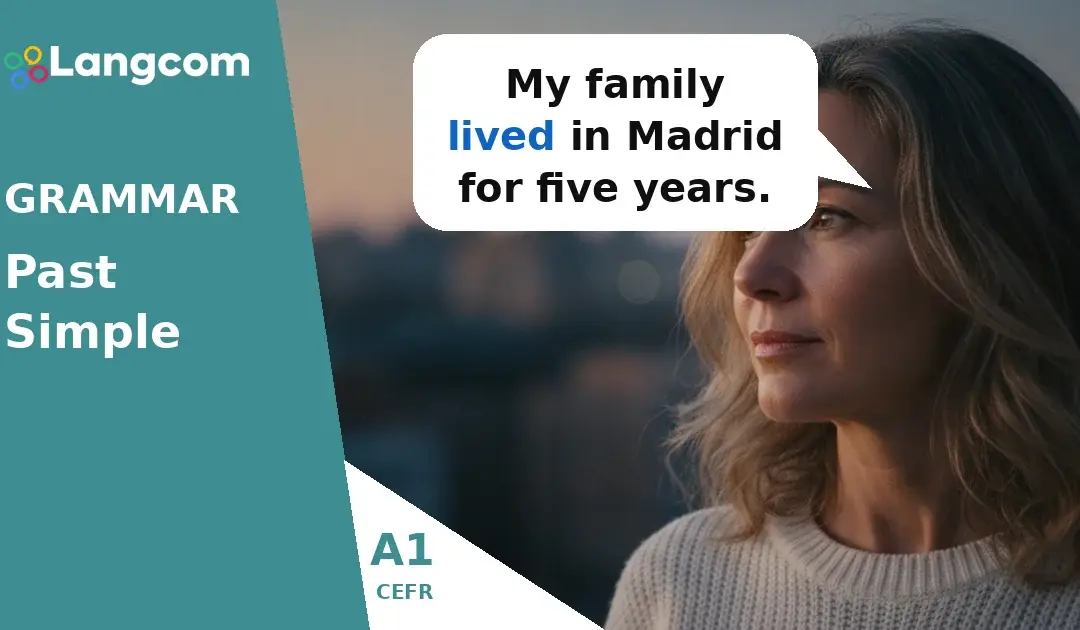
The Past Simple positive form tells us about actions that started and finished in the past. We use it to describe events that are completely over, like I visited my friend yesterday. or She ate pizza last night. It’s essential for telling stories, talking about...
