di Raúl Maguiña | Lug 17, 2026 | B1 Inglese intermedio
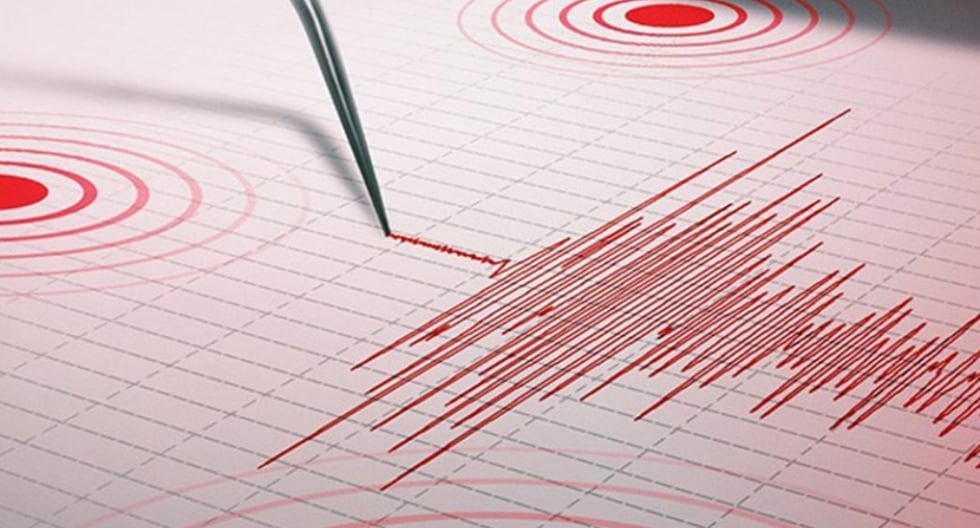
An early morning earthquake with a magnitude of 5.2 shook the Ancash region this Saturday, reminding residents of Peru’s active seismic nature. The tremor occurred at 4:38 AM, according to a report from the National Seismological Center of the Geophysical...
di Raúl Maguiña | Lug 17, 2026 | B1 Inglese intermedio
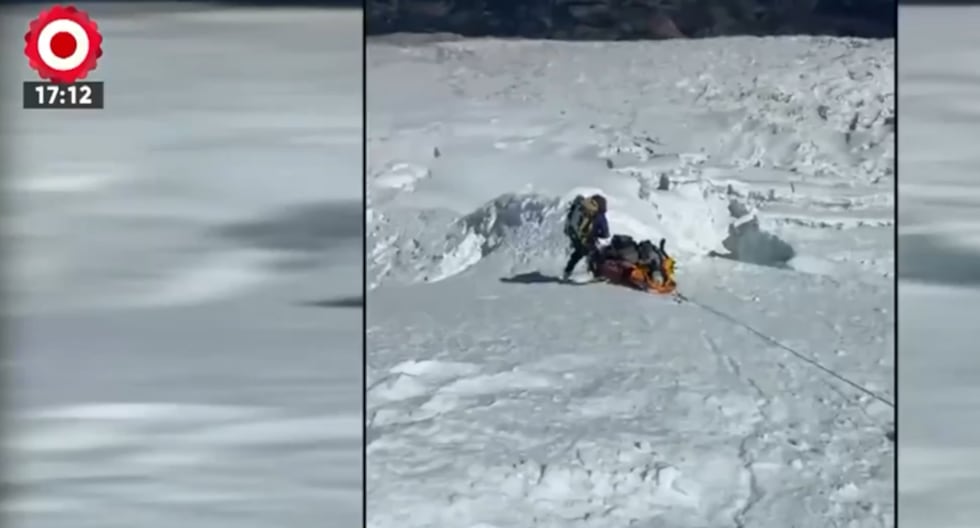
A recent avalanche on Mount Huascarán, Peru’s highest peak, tragically claimed the life of one climber and left two others injured on Thursday morning. The incident occurred at a challenging altitude of approximately 5,500 meters above sea level, a height that...
di Raúl | Lug 17, 2026 | A2 Inglese di base
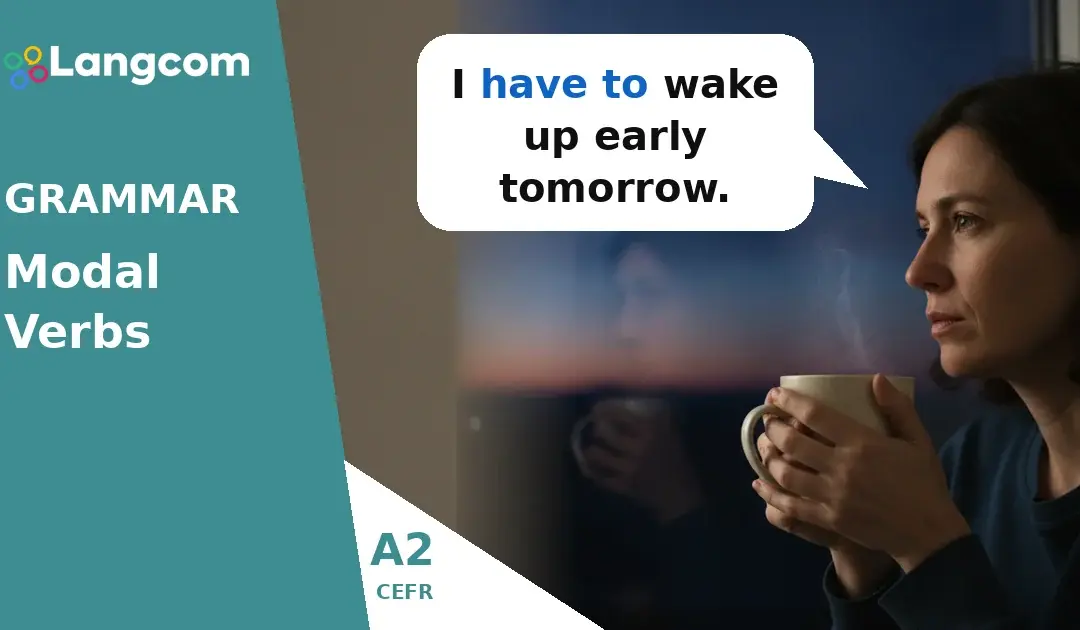
Have to shows that something is necessary or an obligation, often because of a rule or situation. For example, I have to work today means working is necessary for me. It is similar to must, but have to often refers to external rules or duties. On the other hand,...
di Raúl | Lug 17, 2026 | A2 Inglese di base
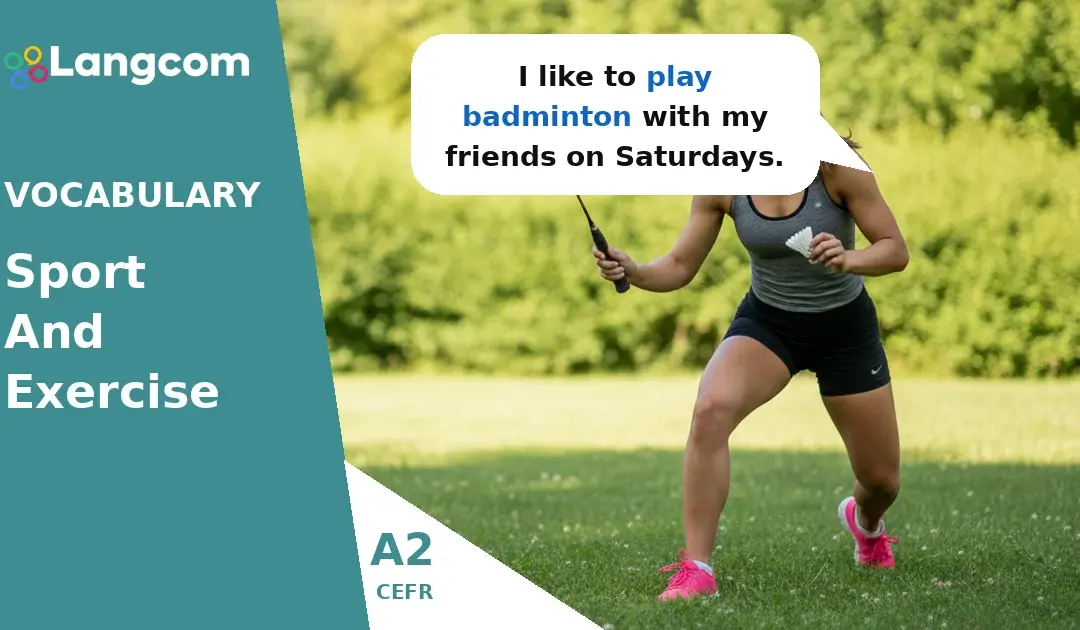
To talk about sports and exercise in English, we use specific verbs like play, do, and go. These verbs combine with different activities. We use play for team sports or games with a ball, like play badminton or play football. For individual exercises, martial arts, or...
di Raúl | Lug 17, 2026 | A2 Inglese di base
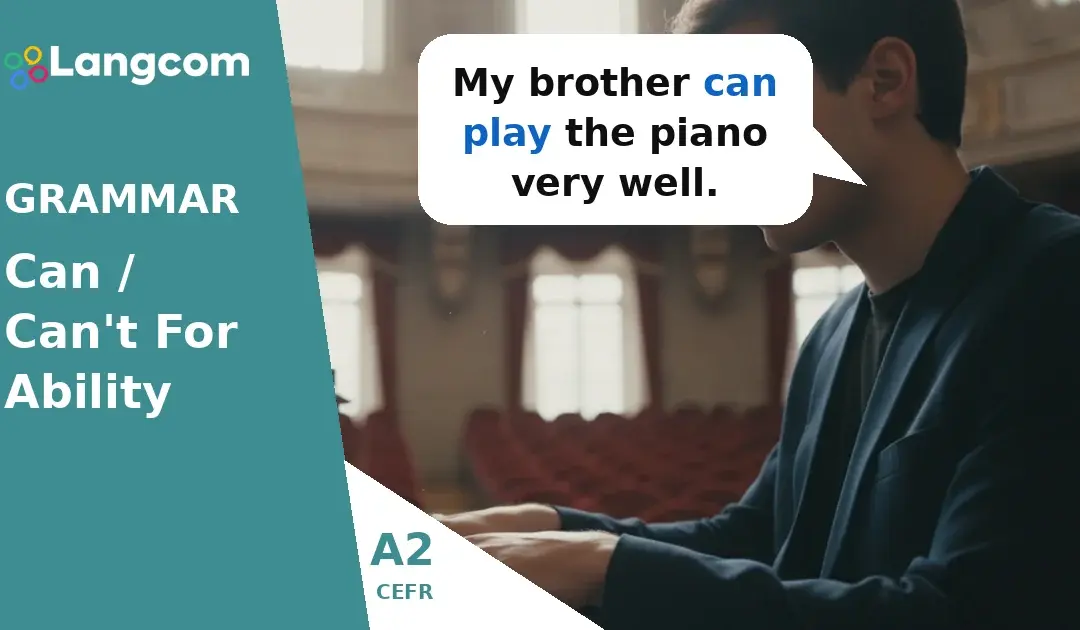
We use can and can’t to talk about abilities in the present. Can means you know how to do something or you are able to do it. Can’t (or cannot) means you do not know how to do something or you are not able to do it. These are modal verbs, so they do not...
di Raúl | Lug 17, 2026 | A1 Inglese per principianti
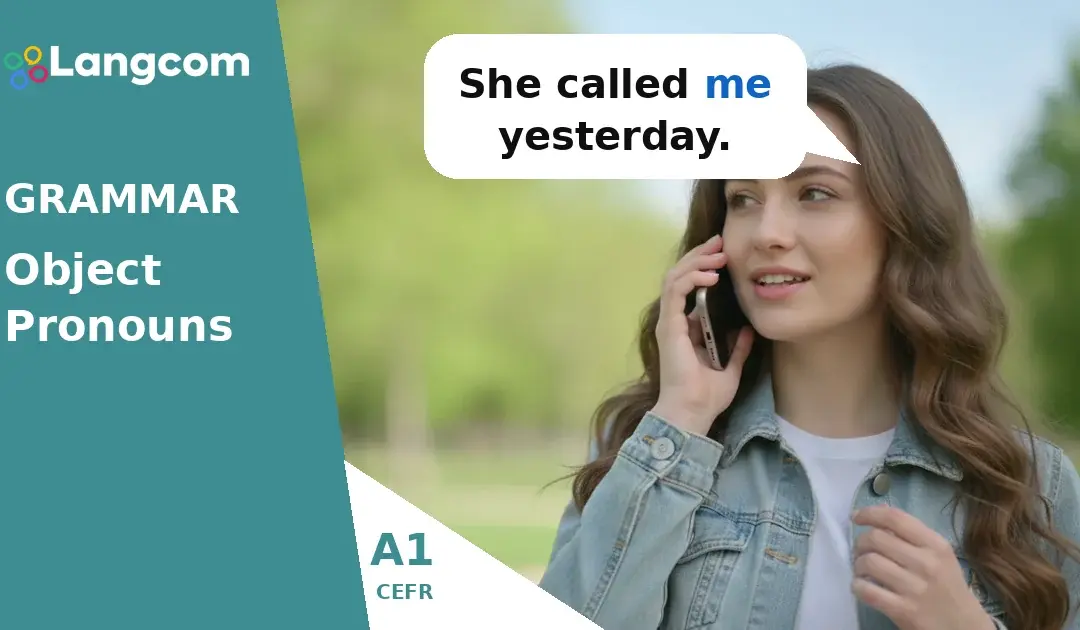
Object pronouns are small words like me, you, him, her, it, us, and them. We use them to replace nouns that receive the action of a verb or come after a preposition. For example, instead of saying I see John, you can say I see him. The pronoun him is the object. They...
