por Raúl | 15 de julio de 2026 | Inglés para principiantes (nivel A1)
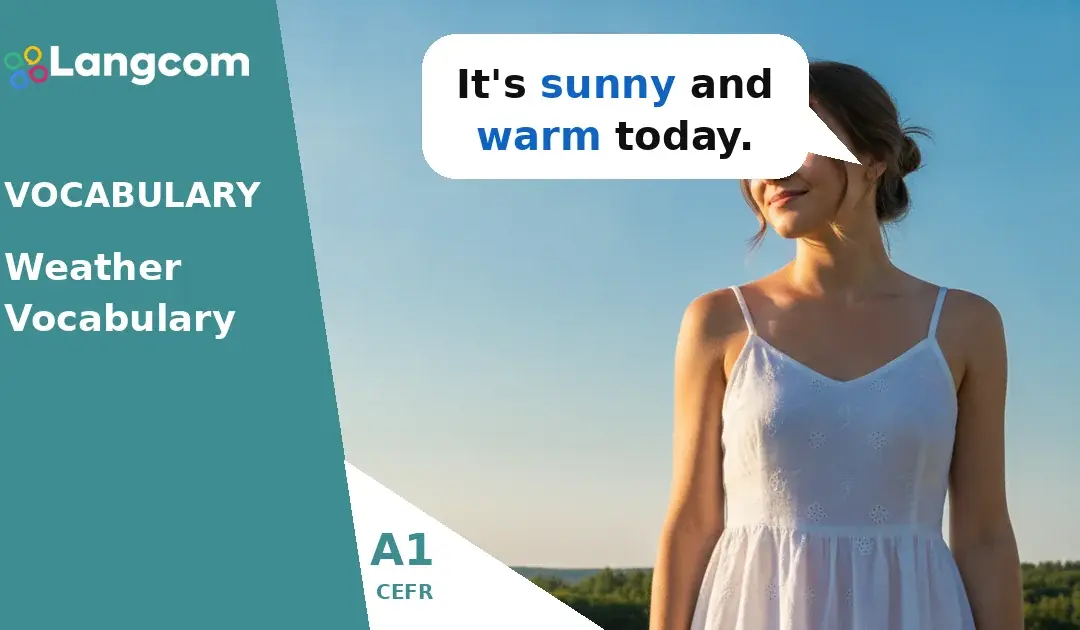
To talk about the weather in English, you often use the verb to be and an adjective. For example, you say It’s sunny or It’s cold. This lesson will help you learn essential words to describe different types of weather, like sunny, rainy, cloudy, hot, and...
por Raúl | 15 de julio de 2026 | Inglés para principiantes (nivel A1)
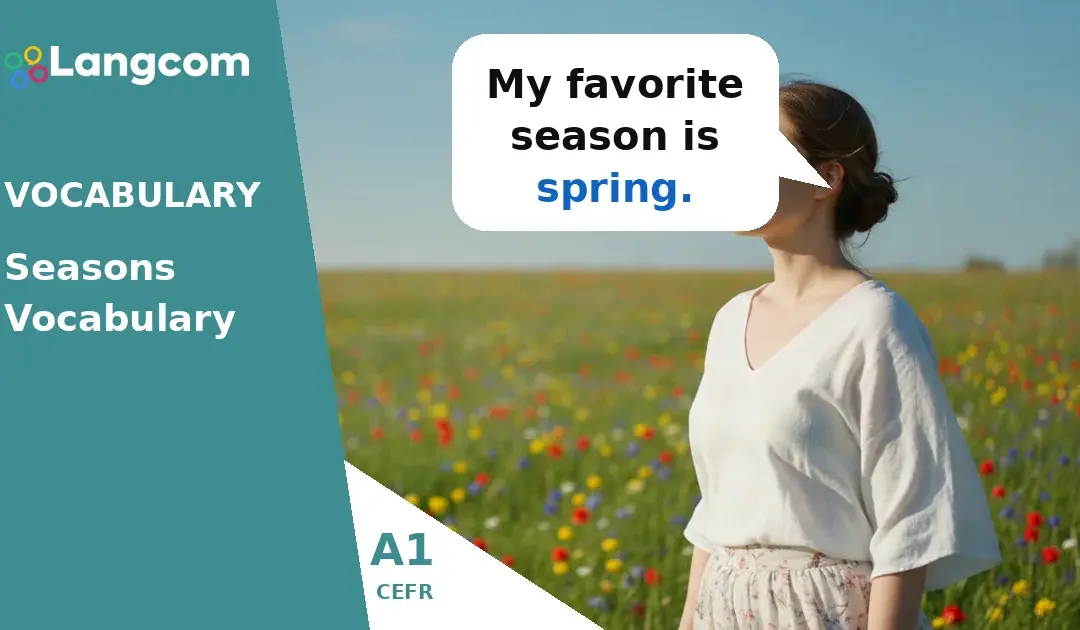
The four main seasons in English are spring, summer, autumn (or fall), and winter. Each season brings different weather and changes in nature. Learning these words helps you talk about the weather, your favorite time of year, and daily activities. For example, you can...

por Raúl Maguiña | Jul 14, 2026 | B1 Inglés Intermedio
Global music sensation Taylor Swift recently made headlines by choosing to wear a stunning dress created by Peruvian designer Escvdo, with intricate details handcrafted by talented artisans right here in Huaraz. The dress itself was a beautiful example of modern...

por Raúl | Jul 14, 2026 | Inglés para principiantes (nivel A1)
To talk about actions that *did not happen* in the past, we use the Past Simple Negative form. This is very common in English when you want to say something didn’t occur at a specific time before now. The structure is simple: you use did not (or the short form...

por Raúl | Jul 14, 2026 | Inglés para principiantes (nivel A1)
Learning basic transport vocabulary helps you talk about how you travel every day. Words like car, bus, train, and plane are very important for A1 English learners. You can use them to describe your daily commute, plan a trip, or understand simple conversations about...

por Raúl | Jul 14, 2026 | Inglés para principiantes (nivel A1)
Main stress is when one word in a sentence is spoken louder and longer than the others. This makes your English sound clearer and more natural to listeners. Think of it like a drum beat: some beats are stronger than others. In English, some words carry more importance...
