por Raúl | Jul 14, 2026 | Inglés para principiantes (nivel A1)
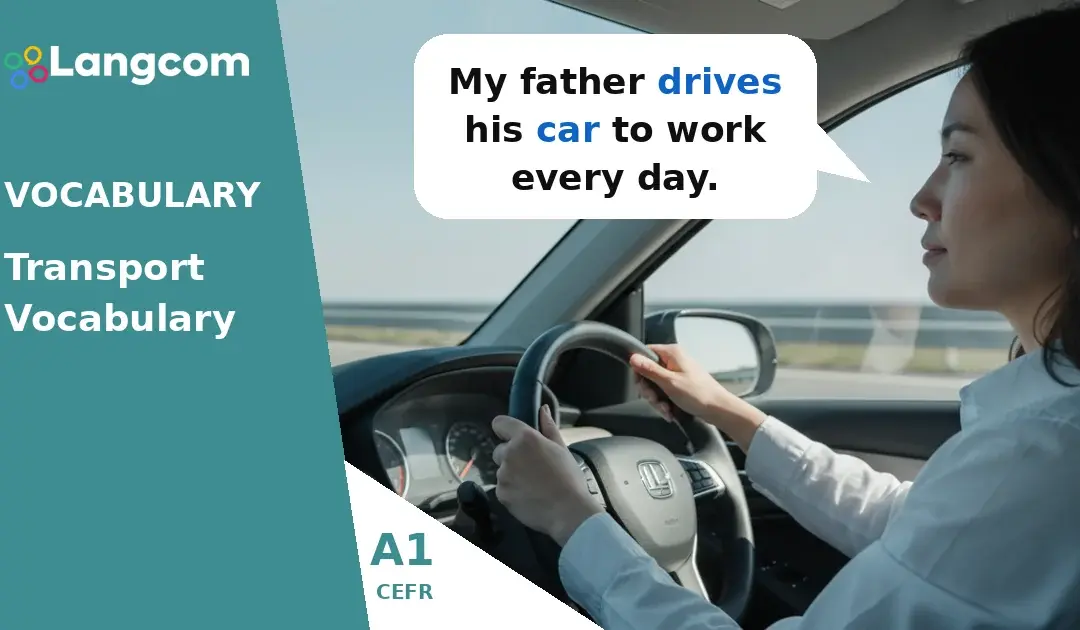
Learning basic transport vocabulary helps you talk about how you travel every day. Words like car, bus, train, and plane are very important for A1 English learners. You can use them to describe your daily commute, plan a trip, or understand simple conversations about...
por Raúl | Jul 14, 2026 | Inglés para principiantes (nivel A1)
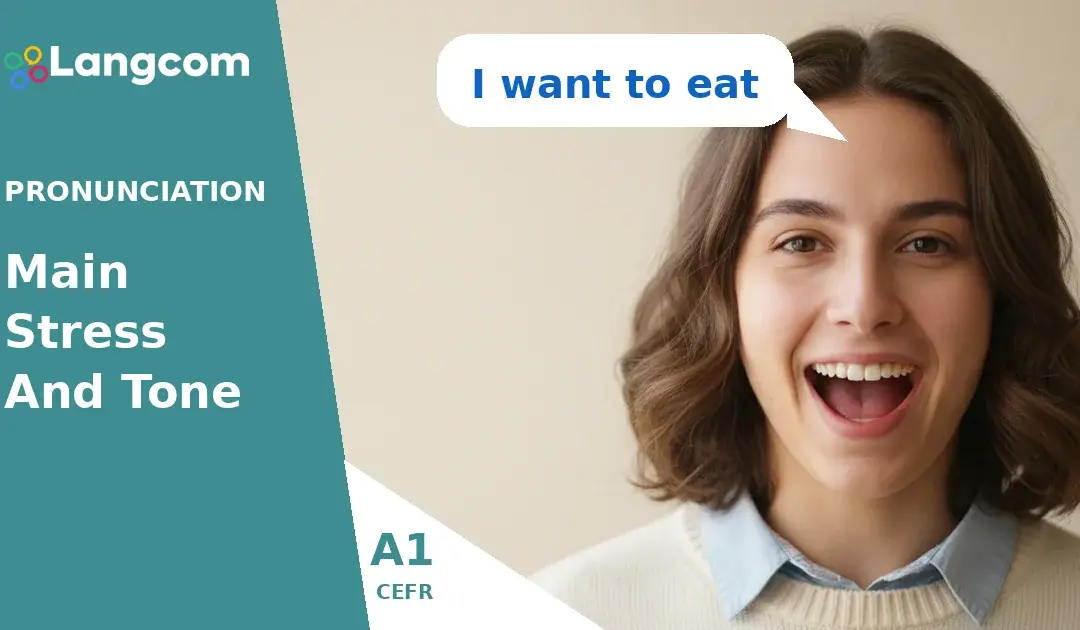
Main stress is when one word in a sentence is spoken louder and longer than the others. This makes your English sound clearer and more natural to listeners. Think of it like a drum beat: some beats are stronger than others. In English, some words carry more importance...

por Raúl | Jul 14, 2026 | Inglés para principiantes (nivel A1)
To talk about what you do for fun in English, you need to learn specific verbs that go with different free time activities. These combinations are called collocations. For example, we say go shopping, not do shopping. Learning these common verb-activity pairs will...

por Raúl | Jul 14, 2026 | Inglés para principiantes (nivel A1)
The Past Simple positive form helps you talk about actions or events that started and finished in the past. It describes something that happened at a specific time and is now over. For most verbs, called ‘regular verbs’, you simply add -ed to the end of...

por Raúl | Jul 14, 2026 | Inglés para principiantes (nivel A1)
To talk about the past using the verb ‘to be’, we use was for singular subjects (I, he, she, it) and were for plural subjects (you, we, they). To make these negative, we add not, forming wasn’t or weren’t. For questions, we change the word...

por Raúl | Jul 14, 2026 | Inglés para principiantes (nivel A1)
The possessive ‘s shows who owns something or who a person is related to, while adverbs describe how, when, where, or how often an action happens. These two grammar points are fundamental for A1 English learners to build clearer and more descriptive sentences....
