por Raúl | Jul 17, 2026 | Inglés para principiantes (nivel A1)
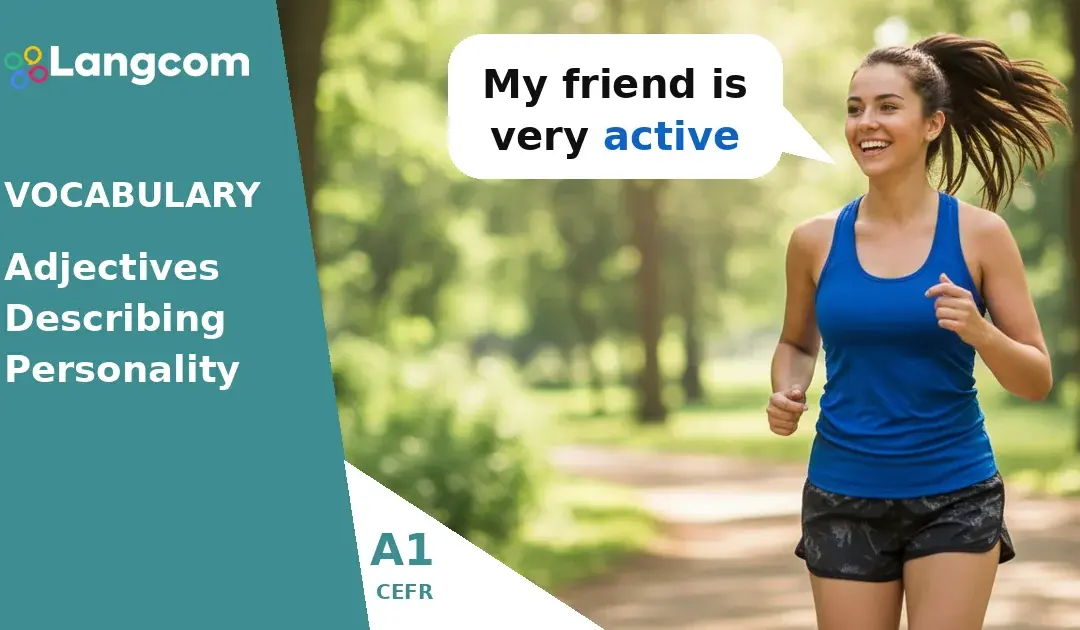
Personality adjectives help you describe how people act and feel. These words are very useful for talking about yourself, your friends, and family in English. For example, if someone likes to meet new people and go to parties, they are sociable. If someone talks a...
por Raúl | 16 de julio de 2026 | Inglés para principiantes (nivel A1)
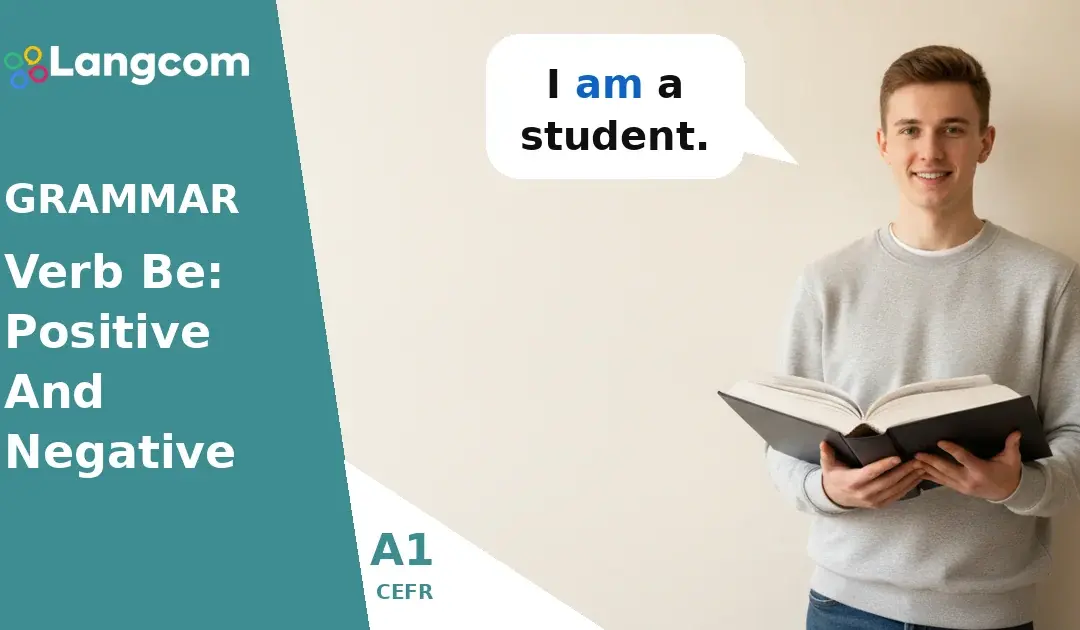
El verbo ‘be’ es uno de los verbos más importantes del inglés. Nos ayuda a hablar de quiénes somos, dónde estamos y cómo son las cosas. En inglés, ‘be’ equivale tanto a «ser» como a «estar» en español. Cambia de forma según el sujeto: «am» para...
por Raúl | 16 de julio de 2026 | Inglés para principiantes (nivel A1)
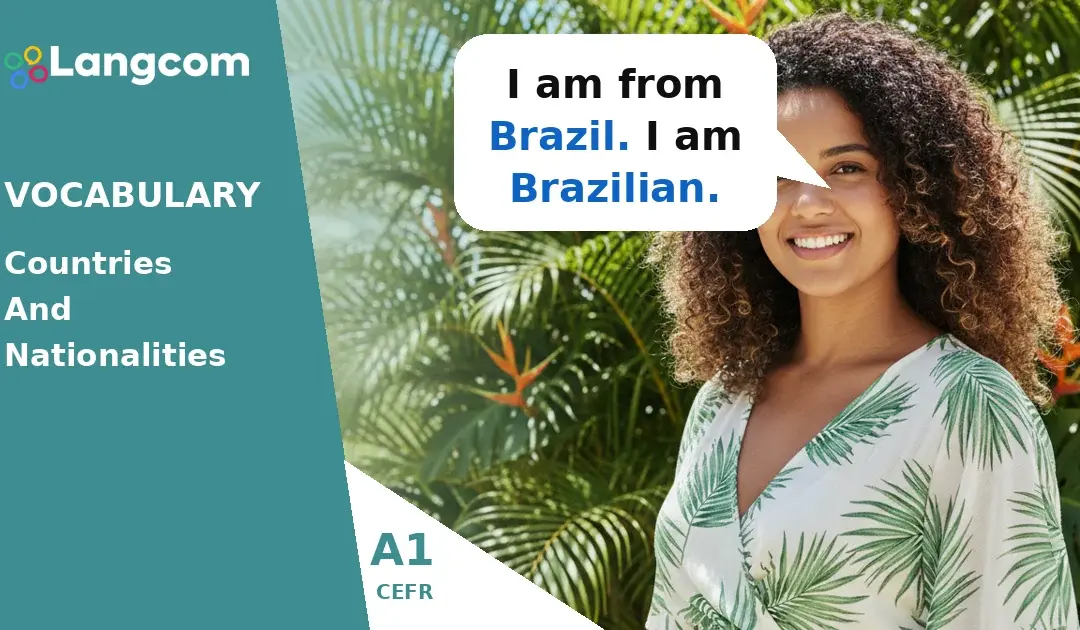
Los países son lugares donde vive la gente, y las nacionalidades indican de dónde es una persona. Aprender estas palabras te ayuda a hablar de ti mismo y de los demás. Por ejemplo, España es un país, y la nacionalidad es «español». Siempre escribimos con mayúscula tanto los nombres de los países...
por Raúl | 16 de julio de 2026 | Inglés para principiantes (nivel A1)
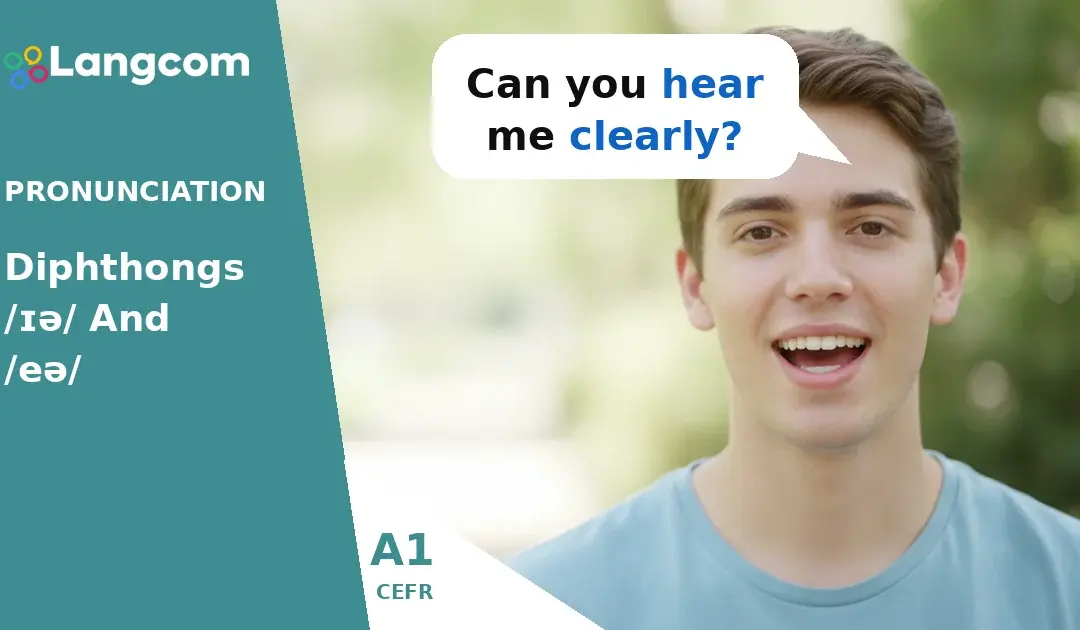
Diphthongs are special vowel sounds that combine two vowel sounds into one smooth sound. For A1 learners, understanding the English diphthongs /ɪə/ (as in here) and /eə/ (as in bear) is important for clear pronunciation. These sounds are not single vowels but a glide...

por Raúl | 16 de julio de 2026 | Inglés para principiantes (nivel A1)
The Present Continuous tense helps you talk about actions happening right now. To make a sentence negative, you simply add not after the verb to be (am, is, or are). For example, I am not working or She isn’t sleeping. To ask a question, you change the word...
por Raúl | 16 de julio de 2026 | Inglés para principiantes (nivel A1)
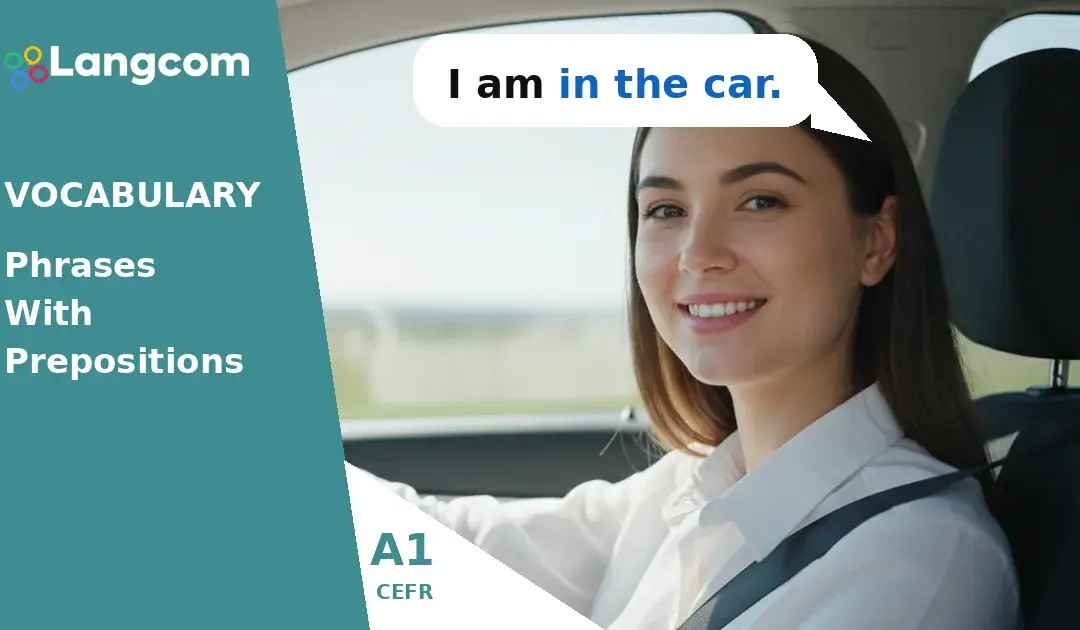
In, on, and at are small but very important words in English that tell us about location. These are called prepositions of place. They can be confusing for Spanish speakers because in Spanish, you often use “en” for many different situations. In English,...
