
بواسطة راؤول | 16 يوليو 2026 | A1: اللغة الإنجليزية للمبتدئين
The Present Continuous (positive form) describes actions happening right now, at this exact moment. We use it to talk about things that are in progress, not yet finished. This tense is essential for describing current activities and what people are doing as you speak....

بواسطة راؤول | 16 يوليو 2026 | A1: اللغة الإنجليزية للمبتدئين
Learning the names of rooms and common objects in English helps you describe where you live and understand others. Your home is a very important place, and knowing how to talk about it is a key step for A1 English learners. We will learn words for the main parts of a...

بواسطة راؤول | 15 يوليو 2026 | A1: اللغة الإنجليزية للمبتدئين
To ask questions about past events in English, we usually use the auxiliary verb did with the base form of the main verb. This structure helps you ask about actions that finished in the past. For example, if you want to know about someone’s holiday, you might...
بواسطة راؤول | 15 يوليو 2026 | A1: اللغة الإنجليزية للمبتدئين
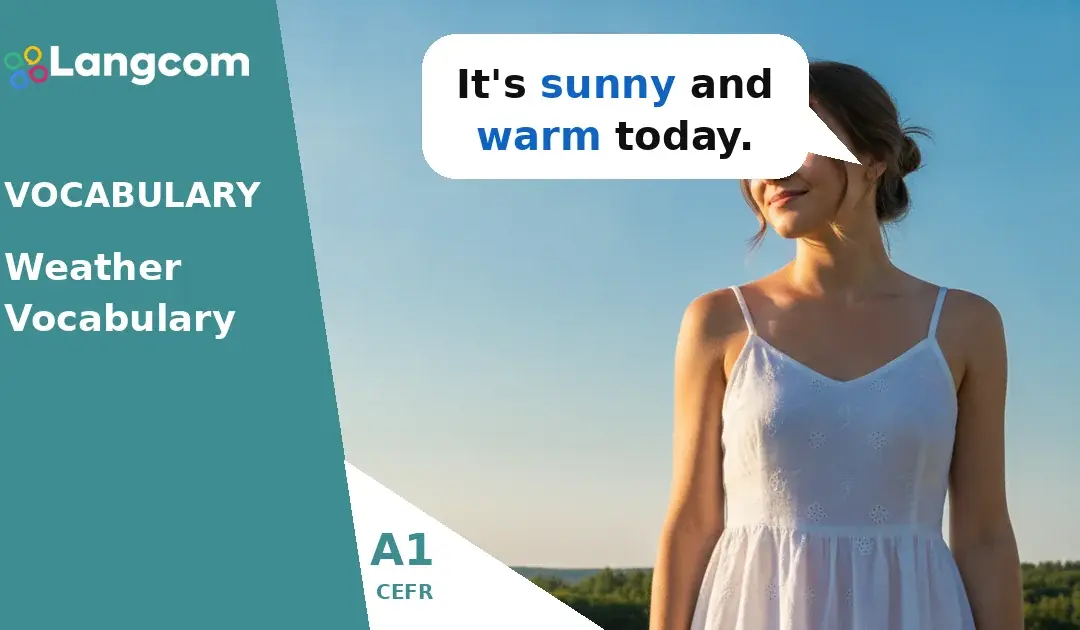
To talk about the weather in English, you often use the verb to be and an adjective. For example, you say It’s sunny or It’s cold. This lesson will help you learn essential words to describe different types of weather, like sunny, rainy, cloudy, hot, and...
بواسطة راؤول | 15 يوليو 2026 | A1: اللغة الإنجليزية للمبتدئين
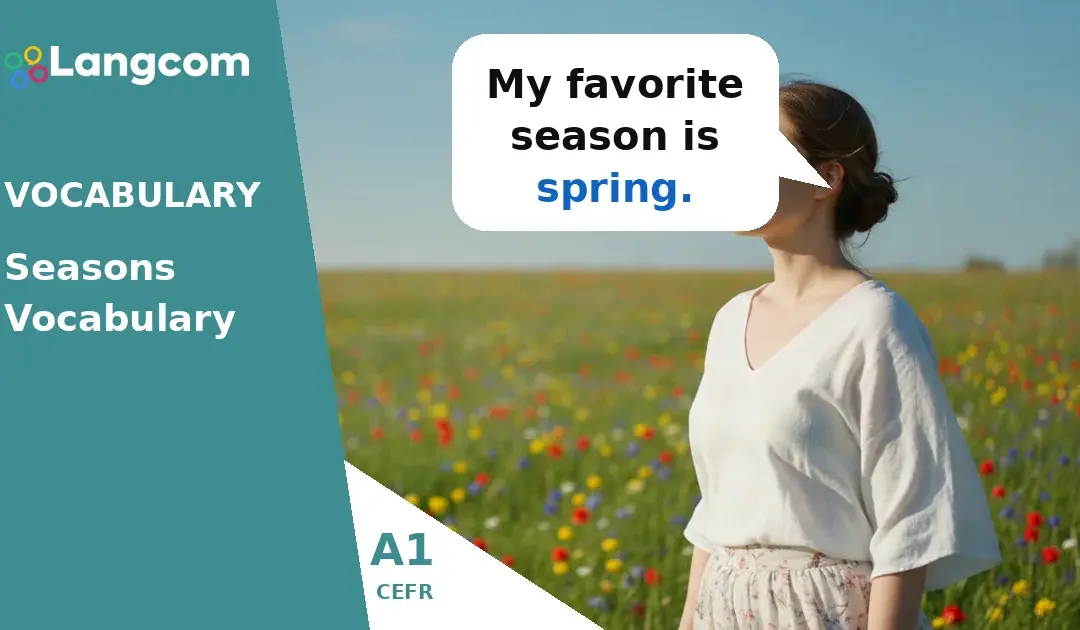
The four main seasons in English are spring, summer, autumn (or fall), and winter. Each season brings different weather and changes in nature. Learning these words helps you talk about the weather, your favorite time of year, and daily activities. For example, you can...

بواسطة راؤول | يوليو 14, 2026 | A1: اللغة الإنجليزية للمبتدئين
To talk about actions that *did not happen* in the past, we use the Past Simple Negative form. This is very common in English when you want to say something didn’t occur at a specific time before now. The structure is simple: you use did not (or the short form...
