
بواسطة راؤول | 16 يوليو 2026 | اللغة الإنجليزية الأساسية A2
To ask questions about completed actions in the past, you need the auxiliary verb did. This is the most important rule for Past Simple questions in English. We use did with all subjects (I, you, he, she, it, we, they). After did and the subject, the main verb always...
بواسطة راؤول | 16 يوليو 2026 | اللغة الإنجليزية الأساسية A2
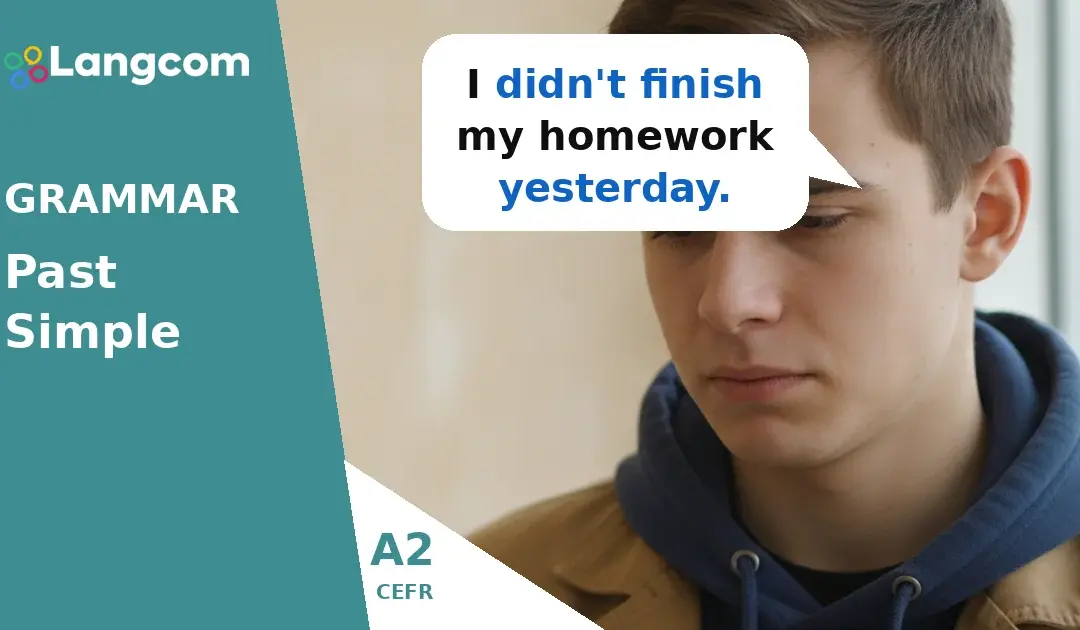
To make a sentence negative in the past simple, you use the auxiliary verb did with not, followed by the base form of the main verb. This means the main verb does not change its form. The most common way to say this is using the contraction didn’t. For example,...
بواسطة راؤول | 16 يوليو 2026 | اللغة الإنجليزية الأساسية A2
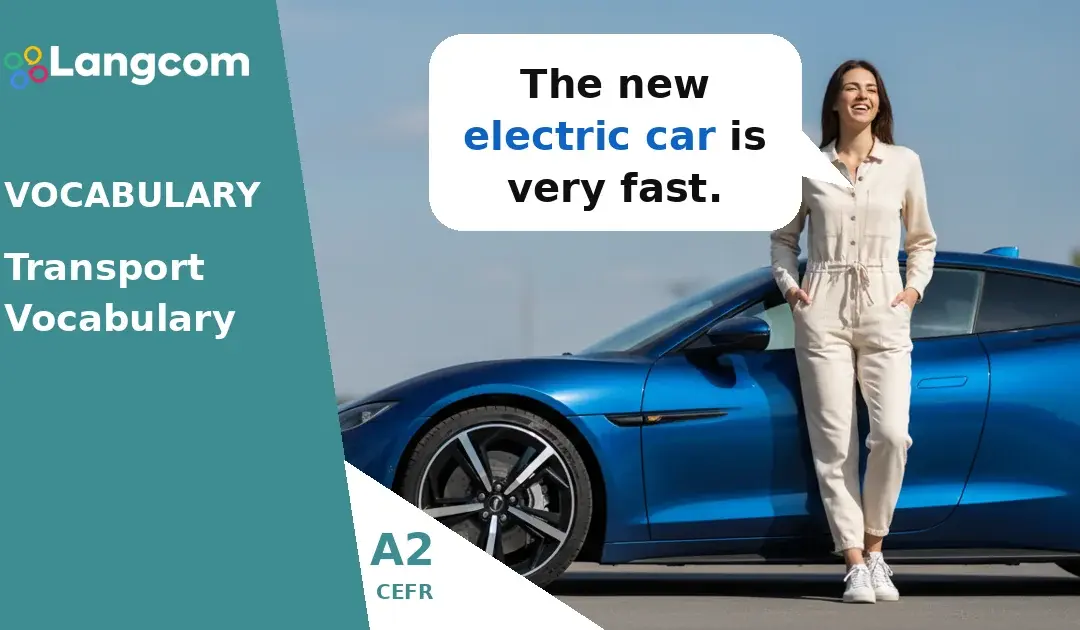
Adjectives help us describe things, including different types of transport. When you talk about a car, a bus, or a train, you can use adjectives to explain how it feels, how it moves, or its condition. For example, you can say a train is fast or a bus is crowded....
بواسطة راؤول | 16 يوليو 2026 | اللغة الإنجليزية الأساسية A2
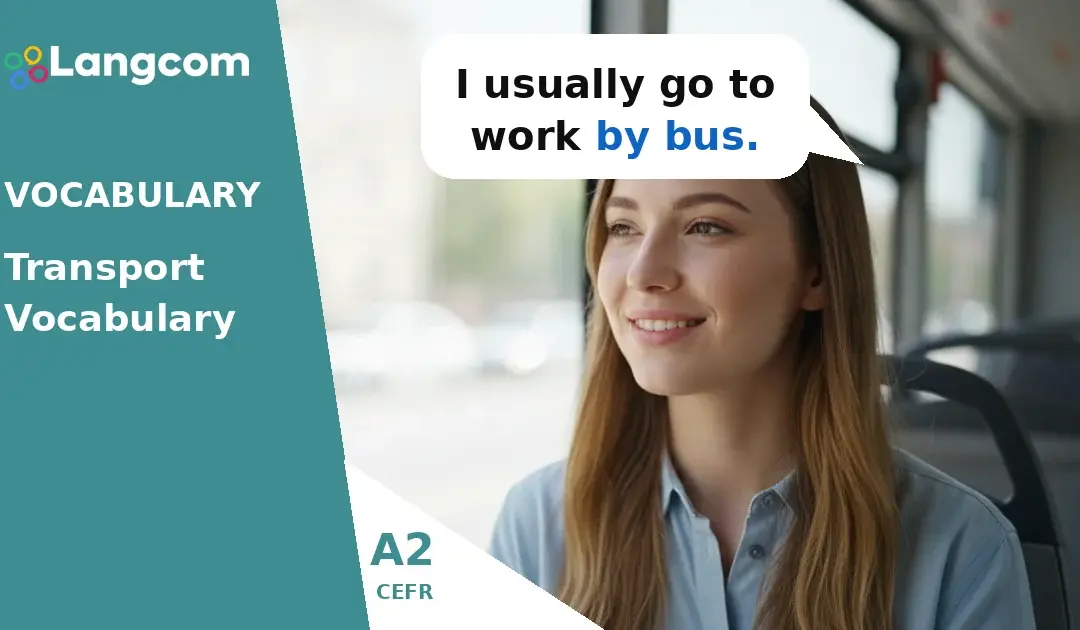
Learning transport vocabulary helps you talk about how you travel every day and when you go on holiday. We use words like car, bus, train, and plane to name different ways to move from one place to another. It’s important to know these words to ask for...
بواسطة راؤول | 16 يوليو 2026 | A1: اللغة الإنجليزية للمبتدئين
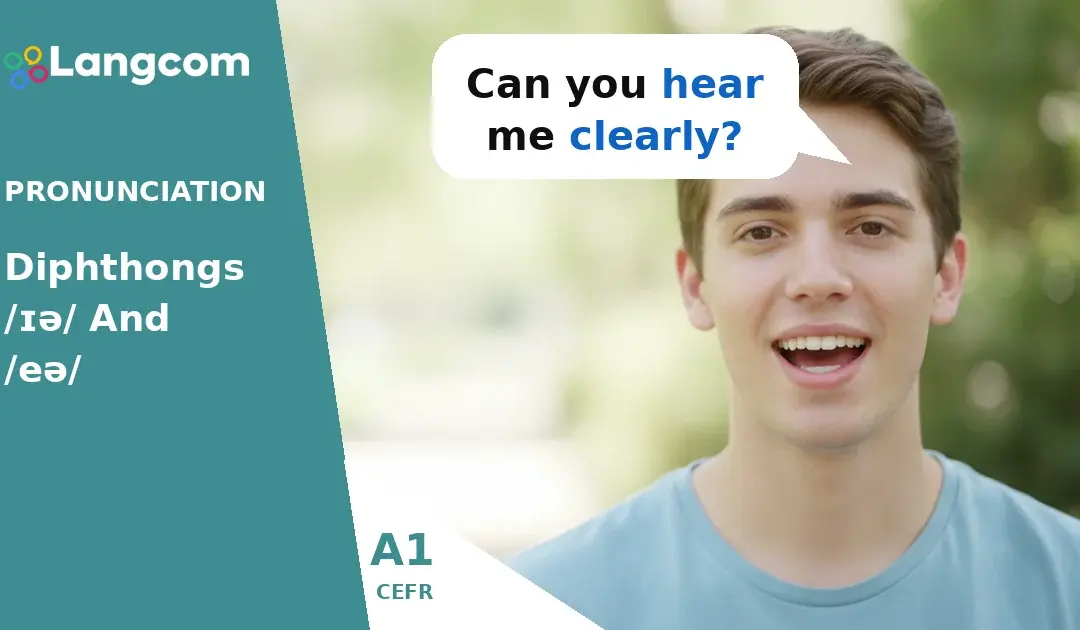
Diphthongs are special vowel sounds that combine two vowel sounds into one smooth sound. For A1 learners, understanding the English diphthongs /ɪə/ (as in here) and /eə/ (as in bear) is important for clear pronunciation. These sounds are not single vowels but a glide...

بواسطة راؤول | 16 يوليو 2026 | A1: اللغة الإنجليزية للمبتدئين
The Present Continuous tense helps you talk about actions happening right now. To make a sentence negative, you simply add not after the verb to be (am, is, or are). For example, I am not working or She isn’t sleeping. To ask a question, you change the word...
